 MidiAI Studio
Guide �� Audio file conversion
Improving the Accuracy of a Converted MIDI File
No conversion is perfect, but almost any conversion can be made better. The gap between a rough transcription and an accurate one is rarely closed by a single dramatic fix; it is closed by recognizing a handful of common error types and correcting each with the right, targeted technique.
The trap most people fall into is editing reactively ? fixing whatever error they happen to notice next, in no particular order. A more effective approach diagnoses the kind of errors present, then addresses them in a sequence that prevents one fix from undoing another.
This guide is a practical toolkit for that work. It assumes you have a MidiAI Studio conversion in hand and want it more accurate, and it gives you the diagnostic eye and the correction order to get there without spinning your wheels.
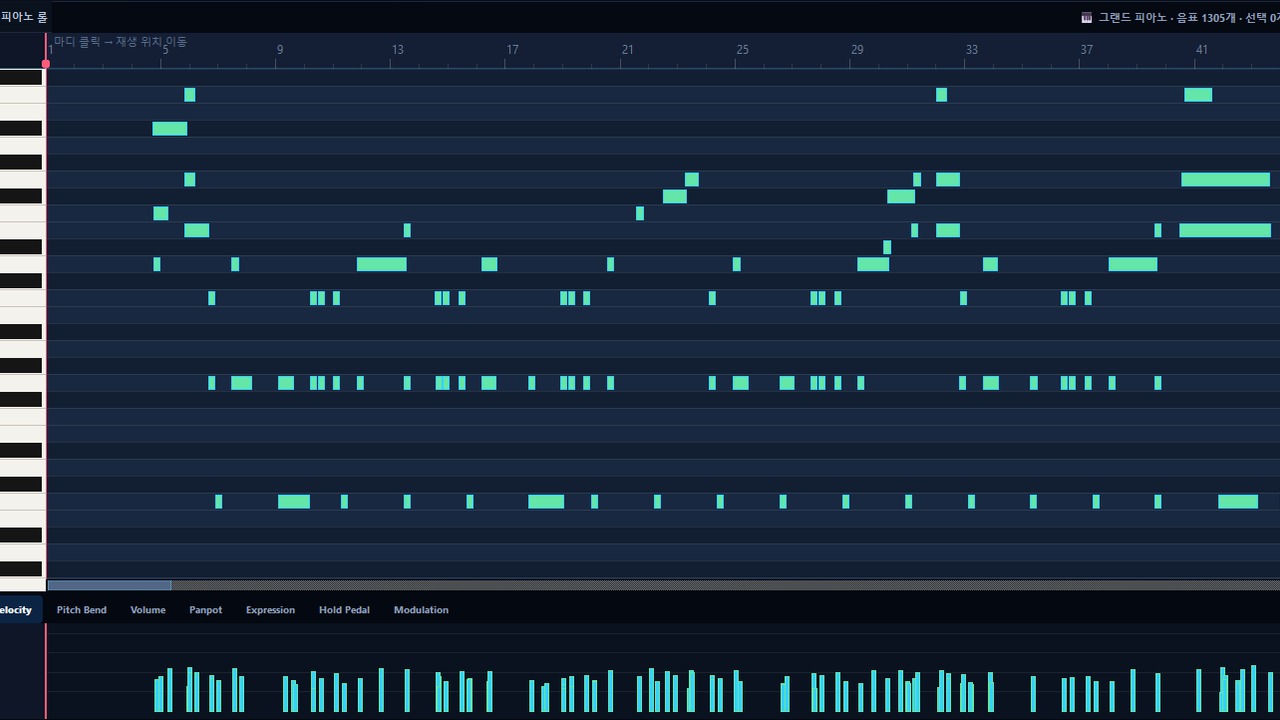
Diagnosing whether errors are source, engine, or setting
Improving MIDI accuracy means systematically identifying and correcting the discrepancies between a converted file and the music it represents ? wrong pitches, misplaced timings, spurious or missing notes, and distorted durations. It is diagnosis followed by targeted repair.
Accuracy improvement is distinct from arrangement or expression editing: the goal is fidelity to the source, making the MIDI match what was actually written or played, before any interpretive changes are layered on top.
The most common error types and their fingerprints
Effective correction starts with diagnosis, because different error types have different causes and cures. Pitch errors often trace to source ambiguity, timing errors to tempo assumptions, and ghost notes to reverb or pedal ? and knowing the cause tells you both how to fix the error and how to prevent its siblings elsewhere.
Each error type has a signature. Ghost notes cluster near loud transients and decaying chords; timing drift accumulates across a passage rather than appearing at a single point; duration errors show as notes that overlap when they should be separate. Learning these fingerprints lets you find errors by pattern instead of hunting note by note.
The correction sequence mirrors the coarse-to-fine principle: fix systematic issues before isolated ones. If MidiAI Studio placed a whole passage a semitone off because of a misread accidental, correcting that region wholesale is far faster than fixing each note, and it prevents you from mistaking a systematic error for many random ones.
Correcting pitch errors without disturbing rhythm
Cleaning a transcription with three different error types
Suppose a converted piano transcription in B-flat major at 88 BPM has three problems: a run of notes a semitone flat from a missed accidental, some ghost notes clustered under a pedaled chord, and gradual timing drift in a rubato passage.
Diagnosing first, you recognize these as one systematic pitch error, a reverb-and-pedal artifact cluster, and a tempo-tracking issue ? three distinct causes. You correct the semitone run as a block, delete the ghost notes around the sustained chord, and re-anchor the drifting passage against the beat.
Because you identified the types before fixing them, each correction was wholesale and quick rather than a note-by-note slog. MidiAI Studio's confidence flags pointed you to two of the three regions before you even started listening closely.
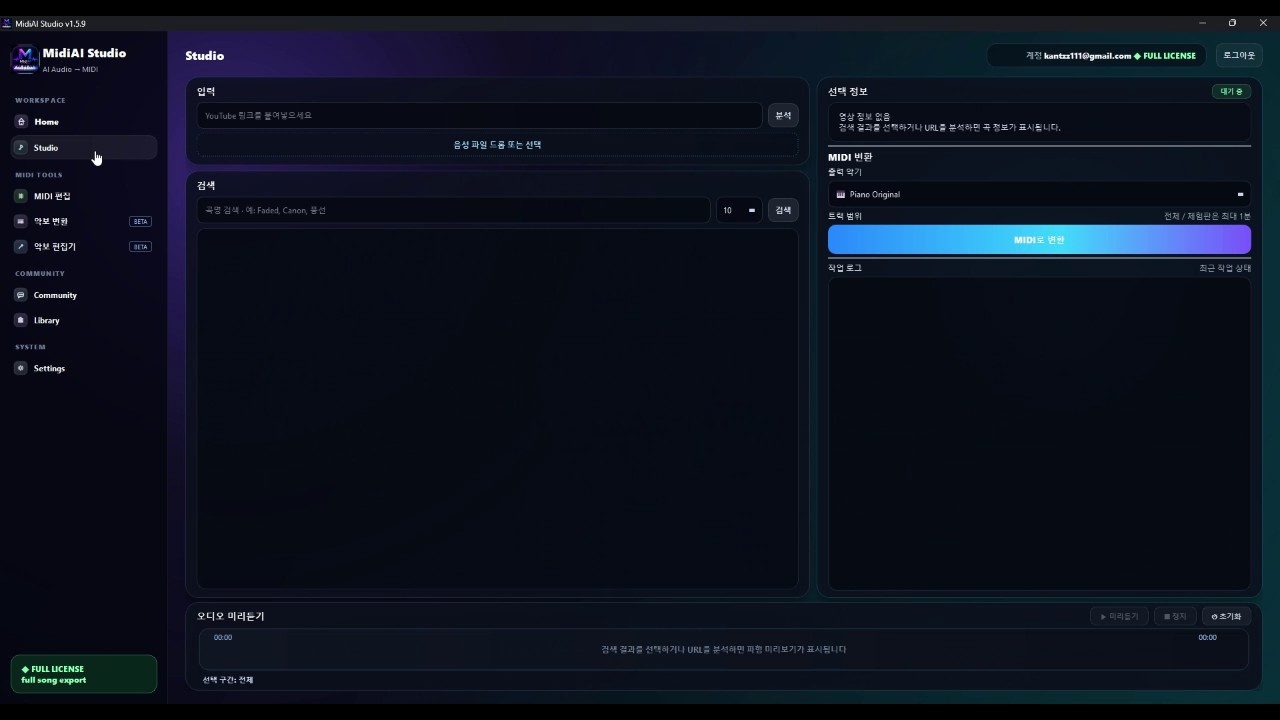
Fixing timing drift and misplaced onsets
- Diagnose before you correct. Identify what kinds of errors are present and their likely causes. Knowing whether a problem is systematic or isolated determines whether you fix a region wholesale or a note individually.
- Fix systematic errors first. Correct whole-passage issues like a mis-pitched region or a wrong meter before touching individual notes. Systematic fixes are fast and prevent you from mistaking one cause for many.
- Purge ghost and doubled notes. Remove spurious notes clustered near transients, decaying chords, and reverb tails. Clearing these first reveals the real part clearly for finer correction.
- Repair timing and durations. Re-anchor drifting passages to the beat and trim durations distorted by sustain. Correct timing makes the remaining pitch checks easier to judge.
- Verify against the source and measure progress. Compare the corrected file to the original, and track how many errors remain. Measuring improvement tells you when accuracy is sufficient and further editing is optional.
Removing ghost notes and doubled events
- Start every correction session by categorizing the errors you see and hear.
- Prefer block corrections for systematic errors over note-by-note patching.
- Use confidence flags to jump straight to the likeliest error regions.
- Separate accuracy fixes from expression edits so you never confuse the two.
- Recount remaining errors periodically so stopping is a decision, not a surrender.
Restoring durations mangled by sustain or reverb
- Correcting before diagnosing: Fixing errors blindly means missing that many share one systematic cause you could fix at once.
- Note-by-note on systematic errors: Patching a mis-pitched region one note at a time wastes time a block correction would save.
- Refining notes amid ghost clutter: Leaving spurious notes in place obscures the real part and misleads your corrections.
- Ignoring accumulating drift: Timing drift compounds across a passage; anchoring it late means more to re-align.
- Mixing accuracy and expression edits: Blending the two makes it unclear whether a change fixed an error or altered the music.
Re-checking against the source systematically
The mindset that transforms accuracy work is thinking like a diagnostician rather than a proofreader. A proofreader reads everything hoping to catch mistakes; a diagnostician forms a hypothesis about what kinds of mistakes a given source and tool tend to make, then goes looking for those specifically. The second approach is faster and more thorough at once.
Errors are rarely as random as they first appear. Behind a page of wrong notes there are usually a few underlying causes ? a missed accidental, an overzealous reverb, a tempo misjudgment ? each producing a characteristic family of symptoms. Correcting causes rather than symptoms is what makes accuracy work converge instead of dragging on.
Measuring improvement so you know when to stop
It helps to keep accuracy and artistry in separate passes. When you conflate fixing a wrong note with shaping a phrase, you lose the clarity to judge whether the file yet matches its source. MidiAI Studio gives you an accurate draft; deciding it is accurate is a job best done before you start making it beautiful.
The final discipline is measurement. Because accuracy is improvable almost without limit, the only way to end well is to quantify it ? how many errors remain, how they cluster, whether the last hour actually helped. Knowing your numbers turns an open-ended chore into a task with a clear and satisfying finish line.
FAQ
Straight answers for musicians researching improve AI MIDI accuracy. Expand any question?answers stay on this page so you do not bounce away mid-read.
How do I tell whether a conversion error came from the source or the tool?
Look at the pattern: source problems track with ambiguous or messy audio and appear where the recording is unclear, while tool or setting errors are more systematic, like a whole region shifted by a semitone. The fingerprint points to the cause.
What is the fastest way to fix a whole passage that came out a semitone off?
Correct it as a block rather than note by note. A systematic pitch shift, often from a missed accidental or clef, is best fixed by selecting the region and transposing it back in one move.
Where do ghost notes in a transcription usually come from?
They cluster around loud transients, decaying chords, and reverb tails, where lingering sound is misread as new attacks. Knowing that lets you find and delete them by location rather than searching everywhere.
How do I fix timing that gradually drifts out over a passage?
Re-anchor the passage to the beat rather than nudging individual notes. Drift accumulates from tempo-tracking assumptions, so realigning the whole span to the correct tempo addresses the root cause.
How do I know when a converted MIDI is accurate enough?
Track the count of remaining errors as you work; when corrections yield diminishing returns and the file matches the source for your purpose, it is accurate enough. Perfect fidelity is rarely worth chasing.