 MidiAI Studio
Guide �� Piano & polyphony
Transcribing Polyphonic Piano, Note by Note
Polyphony ? many notes sounding at once ? is the central challenge of piano transcription and the problem that separates modern tools from their predecessors. A single melody is easy; a ten-finger chord voicing spanning three octaves is a genuinely hard puzzle, and how well a tool solves it defines its quality.
The difficulty is acoustic, not merely computational. When several notes sound together, their overtones interlock and overlap, so the evidence for one note is tangled with the evidence for others. Pulling the individual pitches back out of that combined sound is the essence of polyphonic transcription.
This guide explains how the problem is solved, where it still breaks down, and how to verify that a dense passage came through complete. Understanding polyphony makes you a better user of MidiAI Studio, because you learn where to trust the transcription and where to listen closely.
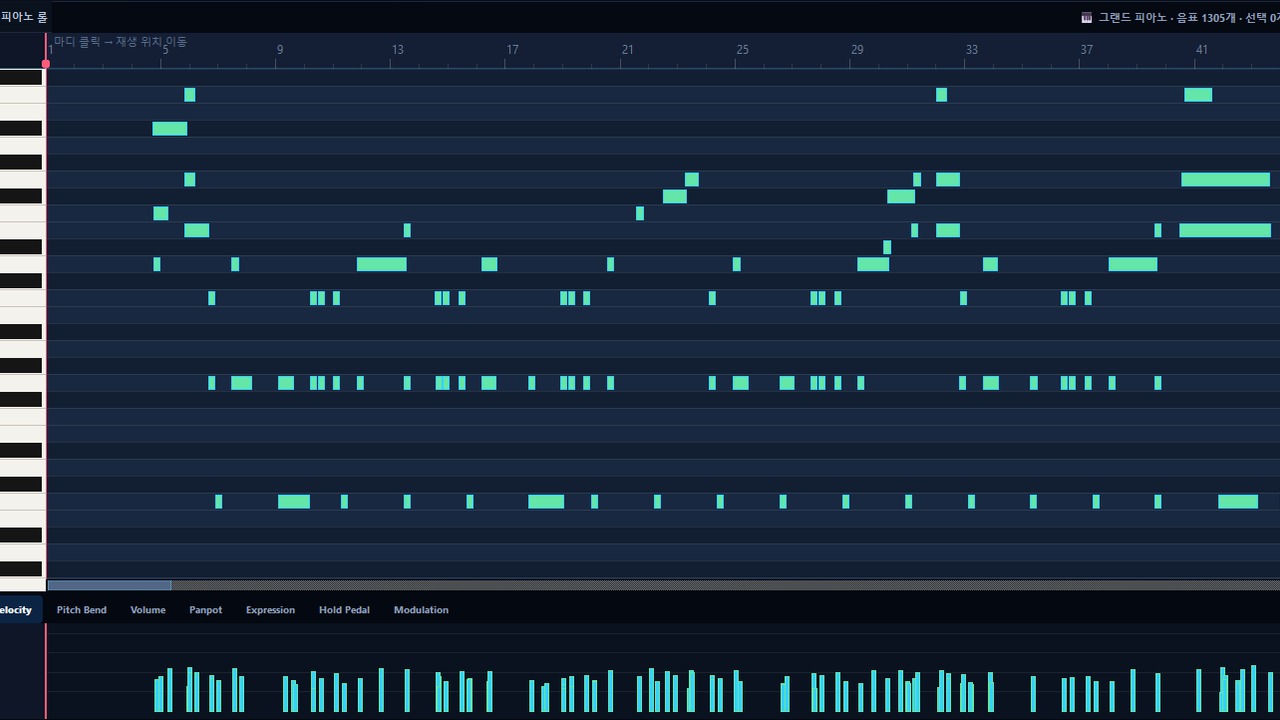
What polyphony means and why it is hard
Polyphonic transcription is the recovery of multiple simultaneous notes from audio, as opposed to monophonic transcription which handles one note at a time. On piano, it means resolving full chords and independent voices into their constituent pitches.
It is defined by ambiguity: because overlapping notes share and reinforce each other's frequencies, the same combined sound can, in principle, arise from more than one set of notes, and the transcription must choose the most likely one.
Overlapping harmonics and the masking problem
Each piano note is not a single frequency but a fundamental plus a series of overtones, and when notes stack, these overtone series overlap and sometimes coincide. A note's third overtone might land exactly where another note's fundamental sits, so the raw spectrum alone is ambiguous about how many notes are truly present.
Learned models resolve this by recognizing patterns rather than isolating frequencies. Trained on vast quantities of piano audio paired with known notes, MidiAI Studio's models learn what combinations of overtones correspond to which chords, so they can infer a six-note voicing that no simple frequency-picking rule could untangle.
The hardest case is the quiet inner voice. When one note in a thick chord is much softer than its neighbors, its overtones are masked by louder notes, and the model may render it faintly or miss it ? exactly as a human transcriber straining to hear a buried alto line might. Note-count errors also creep into fast repeated notes, where distinguishing separate strikes from one sustained tone is genuinely subtle.
How learned models separate stacked notes
Resolving a thick Rachmaninoff chord voicing
Picture a climactic Rachmaninoff chord in C-sharp minor ? eight or nine notes struck together across a huge span, the kind of sonority that defines late-Romantic piano writing. To transcribe it correctly, every note in that stack must be found.
MidiAI Studio's model recognizes the chord's overtone pattern and resolves the outer notes and the main harmony confidently. One inner note, played softer to balance the voicing, comes through faintly and needs confirming by ear against the recording ? a classic buried-voice moment.
Once you verify and restore that single inner note, the chord is complete. The transcription handled eight of nine notes automatically, and your ear supplied the ninth, which is precisely the human-machine division of labor polyphonic transcription calls for.
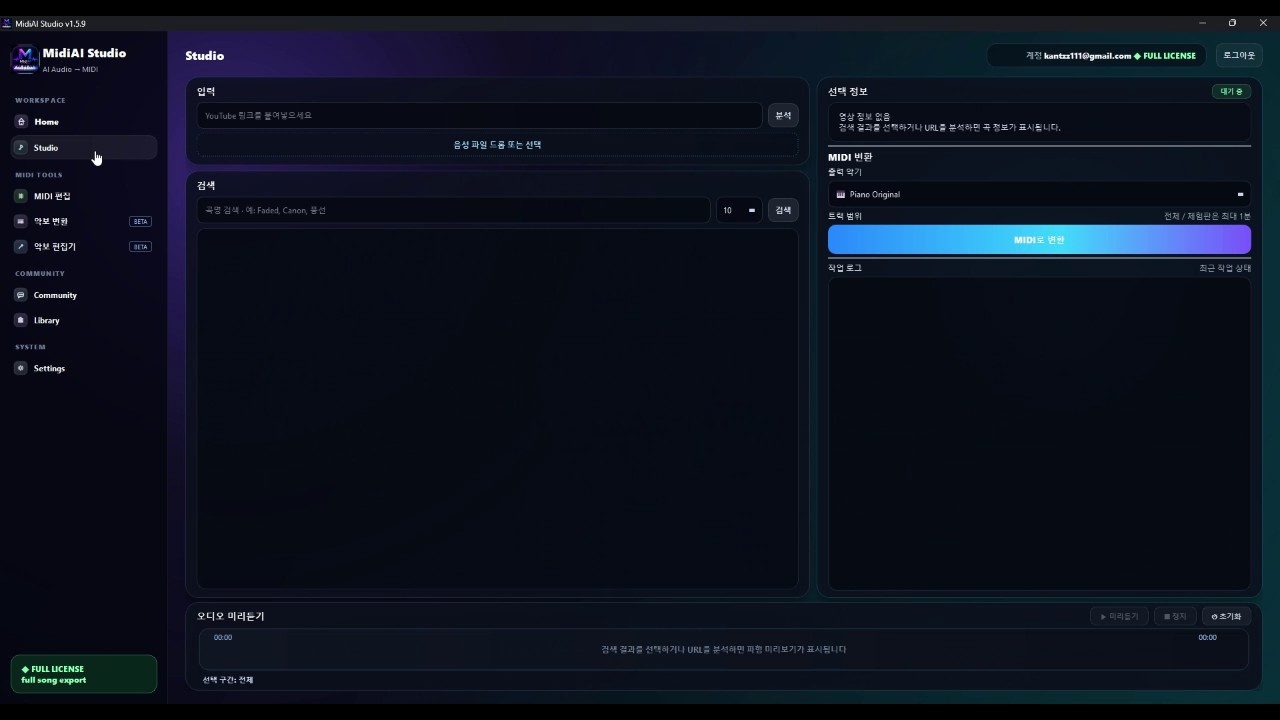
The special difficulty of the buried inner voice
- Feed the model clean, exposed piano. Polyphony is hard enough without extra obstacles, so use a clear recording free of other instruments and heavy reverb. Clean audio gives the model its best chance at dense chords.
- Trust the outer voices, verify the inner. Top and bottom notes of a chord are usually captured reliably; the buried middle voices are where errors hide. Focus your verification there rather than everywhere.
- Check note counts in fast passages. Where notes repeat quickly, confirm the transcription did not merge separate strikes or split one into many. Fast repetition is a known source of count errors.
- Compare dense chords against the recording. For thick voicings, listen to the original and count the notes against the transcription. A missing inner note is easy to restore once you have identified it.
- Restore masked voices by ear. When a soft inner voice was missed, add it back based on the recording and the harmony. This is the step where human hearing complements the model.
Wide-spaced chords versus tight clusters
- Prioritize clean, dry, solo piano audio for the hardest polyphonic passages.
- Direct your proofreading to inner voices, where masking causes most misses.
- Watch fast repeated notes for merge-or-split note-count errors.
- Use the harmony to predict what a masked note should be.
- Accept a human verification pass as part of dense-chord transcription.
Fast repeated notes and note-count errors
- Blaming the tool for masked notes: A soft inner voice hidden by louder ones is a physics problem, not a mere bug; verify by ear.
- Proofreading uniformly: Spending equal effort on easy outer voices wastes attention the inner voices need.
- Ignoring fast-note counts: Rapid repetitions can merge or split, quietly changing the rhythm if unchecked.
- Using reverb-heavy recordings: Room wash smears overlapping harmonics and worsens the already-hard polyphony problem.
- Expecting perfection on thick chords: Very dense voicings inherently carry ambiguity even skilled human ears debate.
Verifying a dense chord came through complete
Polyphony is where transcription stops being measurement and becomes inference, and sitting with that changes how you use the tool. There is often no way to be certain from the sound alone how many notes produced a given sonority, which means the transcription is making an educated guess informed by everything it learned. Appreciating this makes its successes more impressive and its misses less surprising.
The overtone-overlap problem is a beautiful example of why the shift to learned models mattered. No hand-written rule could enumerate the countless ways note stacks combine, but a model trained on real music absorbs those patterns implicitly. When MidiAI Studio resolves a nine-note chord, it is applying statistical intuition built from more piano than any human could hear in a lifetime.
Where human ears still beat the machine
The buried inner voice is worth dwelling on because it marks the honest boundary of the technology. When a note is masked, its information is genuinely diminished in the recording, so recovering it depends on context and expectation as much as on the raw sound. This is exactly where a human's knowledge of the harmony and the piece becomes irreplaceable.
The productive attitude is partnership rather than delegation. The model does the heavy lifting of resolving most of a dense texture, and you supply the focused listening that catches the masked voice or the miscounted repetition. That division ? machine breadth plus human judgment ? is what turns polyphonic transcription from an approximation into a complete, trustworthy score.
FAQ
Straight answers for musicians researching polyphonic piano transcription. Expand any question?answers stay on this page so you do not bounce away mid-read.
Why is transcribing many simultaneous piano notes so difficult?
Because each note's overtones overlap with the others', tangling the evidence for one note with the evidence for the rest. The same combined sound can arise from different note sets, so the transcription must infer the most likely one.
How can a model find notes whose frequencies overlap?
By learning patterns from vast training data rather than picking individual frequencies. It recognizes which overtone combinations correspond to which chords, resolving voicings that simple frequency analysis could not untangle.
Why does a quiet inner note sometimes get missed in a chord?
Because louder neighboring notes mask its overtones, hiding its evidence in the spectrum. This is the same reason a human transcriber can struggle to hear a soft buried voice, and it often needs verifying by ear.
Do fast repeated notes cause transcription errors?
They can, because distinguishing separate rapid strikes from one sustained tone is subtle. Checking note counts in fast passages catches merges or splits that would otherwise alter the rhythm.
Will polyphonic transcription ever catch every note automatically?
It keeps improving, but very dense voicings carry inherent ambiguity that even expert listeners debate. A short human verification of inner voices remains the reliable way to guarantee a complete dense chord.