 MidiAI Studio
Guide · Piano & polyphony
Transcribing Classical Piano Repertoire to MIDI
Classical piano is not one transcription problem but many, because the repertoire spans four centuries of wildly different textures. A two-voice Bach invention and a thundering Liszt étude ask completely different things of a transcriber, and treating them the same guarantees frustration.
The most useful preparation is to think in terms of style and era, each of which brings characteristic textures — counterpoint, homophony, dense chords, pedal blur — that interact with transcription in predictable ways. Knowing what your repertoire throws at the engine lets you anticipate the challenges.
This guide maps that terrain, matching realistic expectations to the major style periods and showing how to handle each with MidiAI Studio. Whether you are capturing a gentle Clementi study or a torrential Rachmaninoff climax, understanding the music's texture is half the battle.
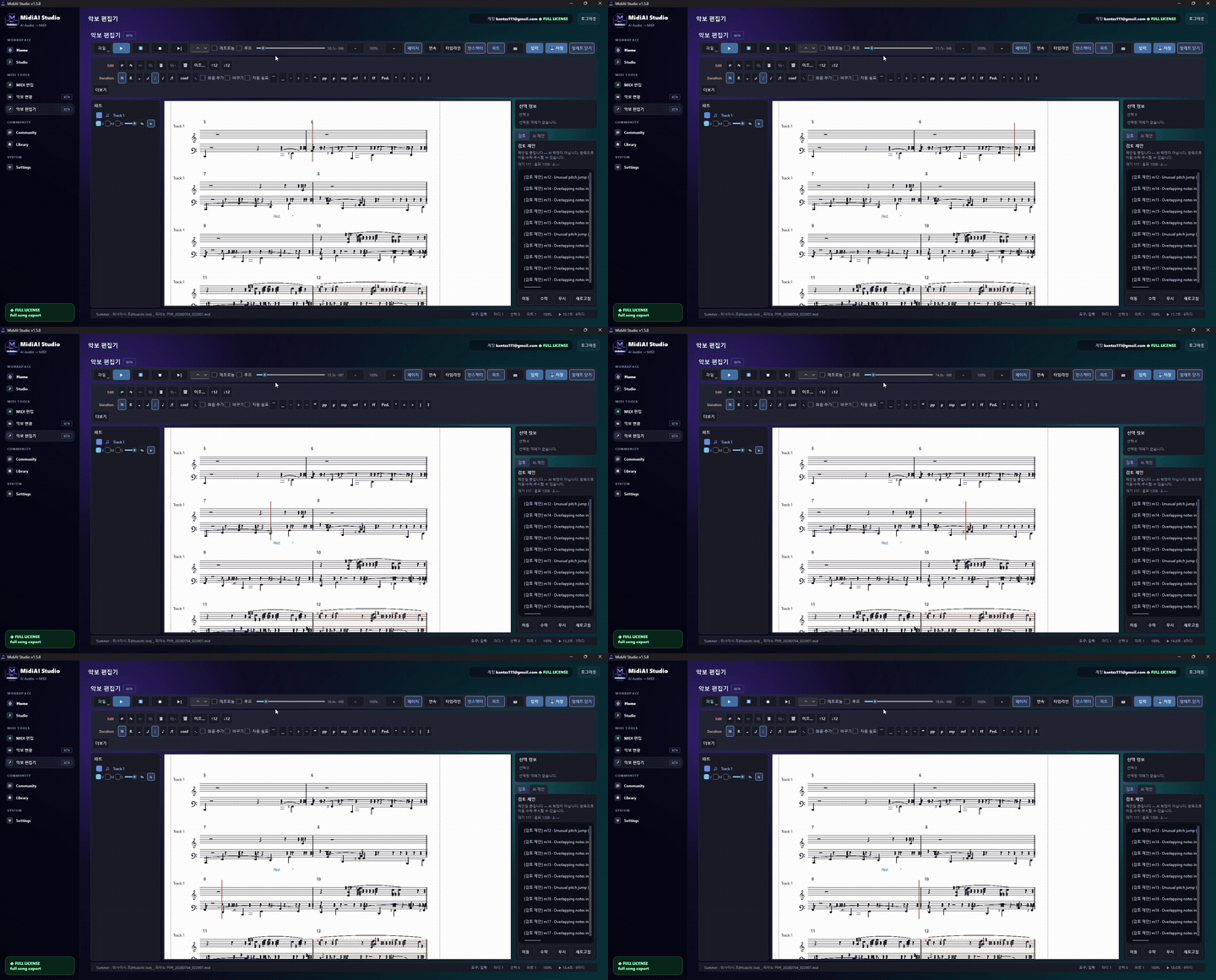
How era and style change transcription difficulty
Transcribing classical piano to MIDI means converting recorded performances of the classical repertoire into editable note data, across styles ranging from transparent counterpoint to dense virtuoso writing. Difficulty varies enormously with the music's texture.
The defining variable is texture density and clarity: transparent, few-voice writing transcribes cleanly, while thick, pedal-soaked, or extremely fast passages push the limits of even strong polyphonic transcription.
Baroque counterpoint and voice independence
Baroque keyboard music, built on independent contrapuntal voices, transcribes surprisingly well when the voices are clearly articulated, because each line is quasi-monophonic and the textures are typically dry with little pedal. MidiAI Studio can often keep the voices separate, which is exactly what makes Bach so rewarding to study in MIDI.
Classical-era writing tends toward clarity — clean melodies over transparent accompaniment like Alberti bass — which is nearly ideal for transcription. Romantic music raises the stakes with thicker chords, heavy pedal, and expressive rubato, so accuracy holds for the notes but timing and pedal cleanup demand more attention.
Impressionist and later textures are the trickiest, deliberately blurring harmony with sustained pedal and dense, overlapping sonorities. Here the very ambiguity the composer intended works against clean transcription, so you should expect more verification of inner voices and more judgment about where one pedaled chord ends and the next begins.
Classical-era clarity as a transcriber's friend
The same performer, three eras, three experiences
Imagine transcribing three recordings by the same pianist: a Bach two-part invention in F major, a Mozart sonata movement in C major, and a Scriabin étude in D-sharp minor. One tool, three very different outcomes.
The Bach comes through beautifully — two clear voices, dry articulation, minimal pedal — and MidiAI Studio keeps the counterpoint separable. The Mozart is nearly as clean, its transparent textures resolving easily. The Scriabin, dense and pedal-soaked, needs real verification of its thick chords and careful pedal cleanup.
None of this reflects a flaw in the tool; it reflects the music. Matching your expectations to the repertoire — effortless Bach, easy Mozart, effortful Scriabin — turns each transcription into a planned task rather than a surprise.
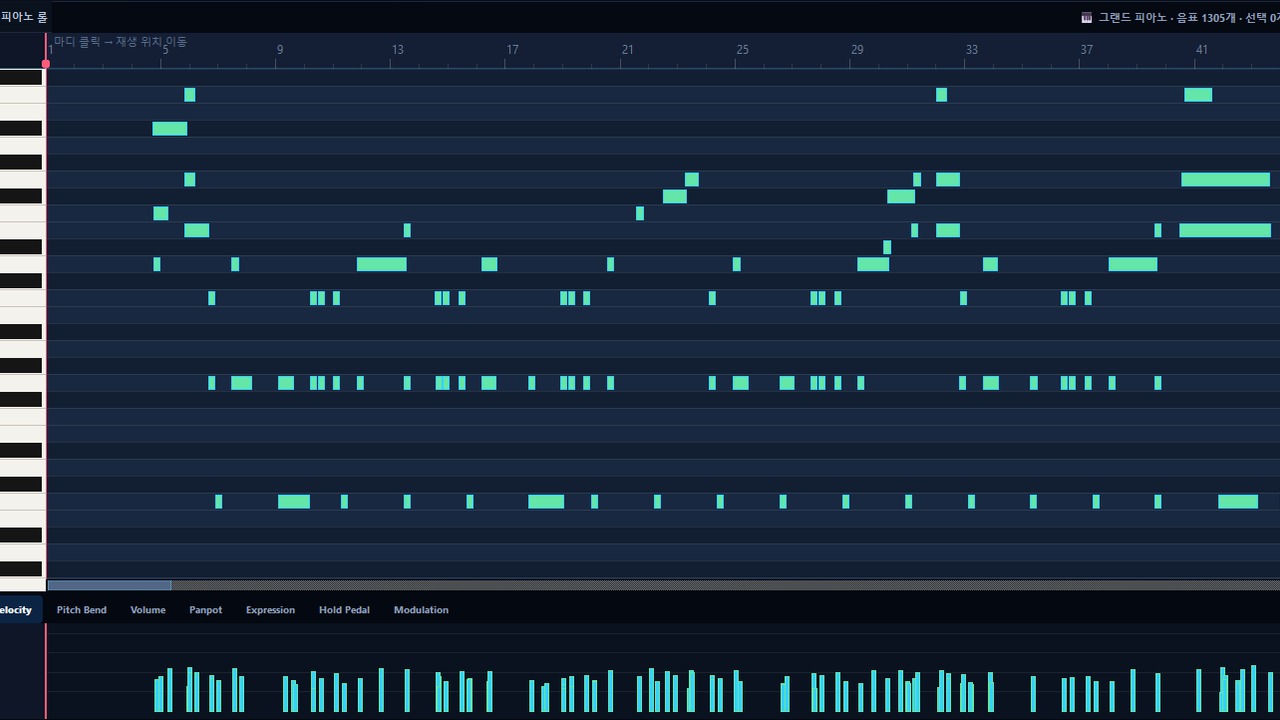
Romantic density, rubato, and pedal
- Identify the style and its textures. Determine whether your piece is contrapuntal, homophonic, densely chordal, or pedal-blurred. The texture tells you what to expect and where to concentrate effort.
- Preserve voice independence in counterpoint. For Baroque and contrapuntal writing, keep the voices on separate tracks. Their quasi-monophonic clarity is the feature that makes such music transcribe and study so well.
- Budget extra time for Romantic pedal and rubato. With thick, pedaled, rubato-rich repertoire, plan for timing anchoring and pedal cleanup. The notes may be right while the durations and tempo need shaping.
- Verify dense and impressionist chords by ear. For thick or deliberately blurred textures, check inner voices against the recording. Composer-intended ambiguity is where transcription needs your listening most.
- Choose a recording that suits the repertoire. Prefer clean, well-recorded performances, especially for dense music. A clear recording eases every subsequent step across all styles.
Impressionist blur and pedal-soaked textures
- Let the music's era guide your difficulty expectations.
- Keep contrapuntal voices separated to preserve their clarity.
- Allocate cleanup time in proportion to pedal and density.
- Verify thick chords against the source rather than trusting them wholesale.
- Favor dry, clear recordings for the densest repertoire.
Ornaments, cadenzas, and interpretive freedom
- Treating all repertoire the same: Expecting Scriabin to transcribe like Bach ignores the texture that drives difficulty.
- Merging contrapuntal voices: Collapsing independent lines discards the voice clarity that makes counterpoint valuable in MIDI.
- Underestimating Romantic pedal: Heavy pedal leaves ringing tones and over-long notes that need dedicated cleanup.
- Trusting dense chords blindly: Thick and blurred textures hide inner-voice errors that only ear verification catches.
- Using murky recordings for dense music: Poor recordings compound the ambiguity of already-difficult textures.
Matching your source recording to the repertoire
Approaching classical repertoire through the lens of texture rather than title is a small revelation. Composers' names carry reputations for difficulty of playing, but transcription difficulty tracks something different — how many voices sound at once, how much pedal blurs them, how freely the tempo moves. Learning to read a piece's texture predicts your transcription experience far better than its fame.
Baroque music's transcription-friendliness is a lovely coincidence of aesthetics and acoustics. The same contrapuntal independence that makes a fugue intellectually satisfying also makes it legible to a transcriber, because each voice behaves almost monophonically. Studying Bach in MIDI, with the voices separated by MidiAI Studio, can actually deepen your understanding of how the counterpoint is built.
Study uses for a transcribed classical work
The Romantic and Impressionist repertoire teaches the limits gently. Here the composer's expressive tools — thick sonorities, pedal, rubato — are precisely the things that challenge transcription, so the difficulty is not incidental but intrinsic to the style's beauty. Accepting that these pieces need more of your ear is part of respecting what makes them special.
Ultimately, matching effort to repertoire is what makes classical transcription sustainable rather than frustrating. When you know a Mozart sonata will be nearly effortless and a Scriabin étude will demand verification, you plan accordingly and neither surprises you. That calibration turns the vast classical repertoire from an intimidating monolith into a landscape you can navigate piece by piece.
FAQ
Straight answers for musicians researching classical piano AI transcription. Expand any question—answers stay on this page so you do not bounce away mid-read.
Does classical piano transcribe differently depending on the era?
Yes, markedly. Transparent Baroque counterpoint and clear Classical-era writing transcribe cleanly, while dense Romantic and pedal-blurred Impressionist textures are harder. Texture, driven by style, is the main variable.
Why does Bach transcribe so well compared to later composers?
Because contrapuntal writing consists of independent, quasi-monophonic voices with typically dry articulation and little pedal. Each line is relatively easy to follow, so the counterpoint often stays cleanly separable.
What makes Romantic piano music harder to transcribe accurately?
Thicker chords, heavy sustain pedal, and expressive rubato. The notes may transcribe correctly, but the pedal leaves ringing tones to clean and the flexible timing needs careful anchoring.
How should I handle pedal-soaked Impressionist textures?
Expect more verification and judgment, because the composer deliberately blurred the harmony. Check inner voices against the recording and decide where one pedaled sonority ends and the next begins.
What kind of recording is best for transcribing dense classical piano?
A clean, dry, well-recorded performance. Clarity eases every step, and it matters most for the densest repertoire where any added reverb or murk compounds the inherent ambiguity.