 MidiAI Studio
Guide �� Piano & polyphony
Why Jazz Piano Is Uniquely Hard to Transcribe
Jazz piano might be the single most demanding source for transcription, and understanding why is a lesson in what makes transcription hard in general. It combines every difficulty at once: dense extended harmony, deliberately loose swing timing, and improvisation with no written score to check against.
This is not a discouragement ? jazz is also one of the most rewarding things to transcribe, because the transcription becomes a window into how great players actually build their music. But going in with clear eyes about the challenges makes the difference between an illuminating study and a frustrating slog.
This guide breaks down each challenge specific to jazz and offers concrete ways to work through them with MidiAI Studio. If you have ever wanted to see exactly what a pianist played in a solo you love, this is the terrain you will be navigating.
Extended and altered harmony's dense voicings
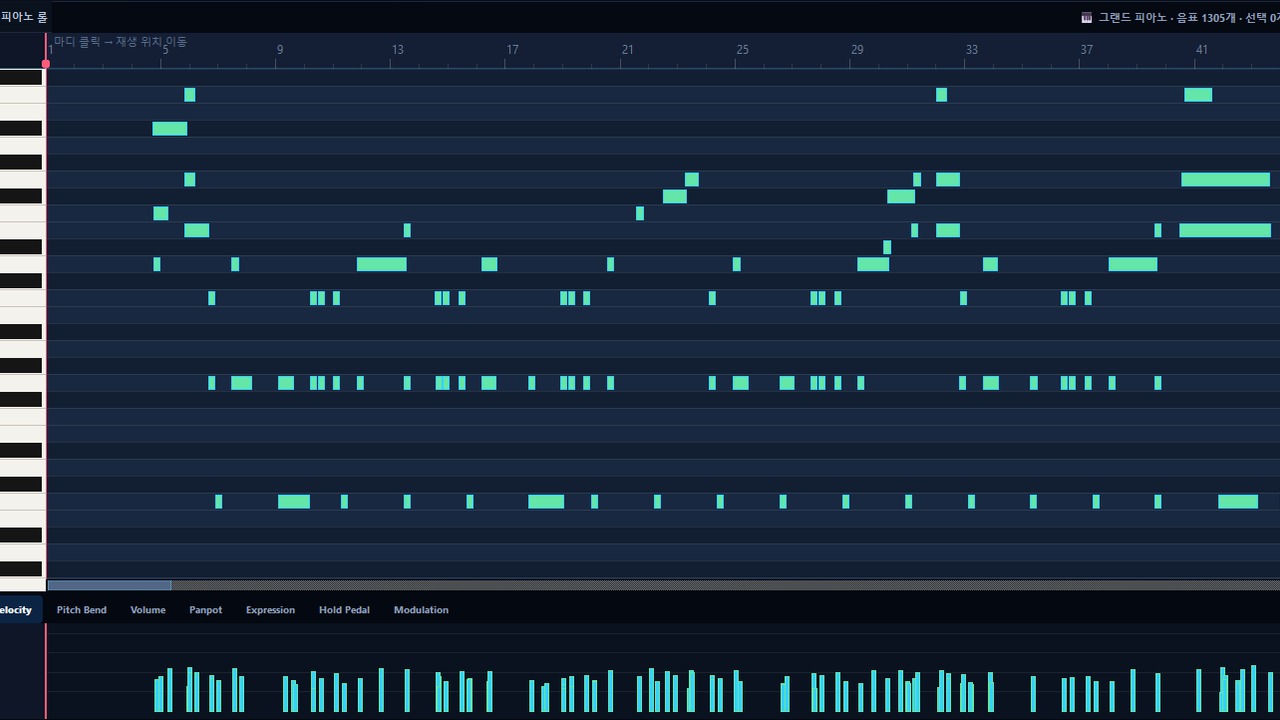
Transcribing jazz piano to MIDI means capturing improvised, harmonically dense, rhythmically supple performances as note data. It is distinguished by combining maximal harmonic complexity, non-metronomic timing, and the absence of a canonical score, making it among the hardest transcription tasks.
Unlike classical repertoire, jazz usually has no definitive written version to verify against, so the transcription is both a technical challenge and an act of analysis ? deciding what the improviser actually played.
Swing feel versus a straight rhythmic grid
Jazz harmony piles extensions and alterations ? ninths, elevenths, thirteenths, altered fifths ? into dense voicings that are exactly the thick polyphony transcription finds hardest. Rootless voicings compound this by omitting the bass note that would anchor the chord, leaving the harmony's foundation genuinely ambiguous even to trained listeners.
Swing feel fights the quantization that notation and clean MIDI want. The characteristic uneven eighth notes and behind-the-beat phrasing are the soul of jazz and the enemy of a rigid grid, so MidiAI Studio must track the timing flexibly and you must resist over-quantizing away the very feel you are trying to capture.
Improvisation removes the safety net entirely. With classical music you can check a transcription against the published score, but a jazz solo exists only in that one performance, so verification means using your ears and harmonic knowledge to judge what was played. Fast bebop lines add note-count precision to the challenge, where a single missed or doubled note changes the phrase.
Improvisation and the absence of a score to check
Transcribing a bebop solo over rhythm changes
Picture a fast bebop piano solo over rhythm changes in B-flat major at around 220 BPM, full of rootless left-hand voicings and cascading right-hand eighth-note lines with a strong swing feel. This is jazz transcription at its most demanding.
MidiAI Studio captures the flurry of right-hand notes and the left-hand comping, but the rootless voicings leave some chords harmonically ambiguous, and the swing eighths resist a straight grid. You keep the flexible timing to preserve the feel and use your ear to confirm the altered tensions in the voicings.
The payoff is extraordinary: a note-for-note view of how the player navigated the changes, which tensions they favored, and how their line related to the harmony. The transcription needed real work, but it turned a dazzling solo into a lesson you can study phrase by phrase.
Rootless voicings and ambiguous bass
- Expect and plan for harmonic density. Anticipate thick extended and altered voicings, and budget time to verify the tensions by ear. Jazz harmony is exactly the dense polyphony that needs your listening most.
- Preserve the swing feel. Track timing flexibly and resist over-quantizing. The uneven eighths and behind-the-beat phrasing are the point, so protect them rather than snapping them to a grid.
- Infer rootless voicings from context. When the bass is omitted, use the harmonic context to identify the underlying chord. Rootless voicings are ambiguous by design, so context is your guide.
- Verify by ear, not against a score. Because a solo is improvised, check the transcription against your hearing and harmonic knowledge. There is no published version to compare, so your analysis is the reference.
- Study the result as jazz vocabulary. Treat the transcription as a lesson in the language ? the licks, voicings, and rhythmic choices. Turning capture into study is where jazz transcription pays off most.
Fast bebop lines and note-count precision
- Budget verification time proportional to the harmonic density.
- Guard the swing feel against reflexive quantization.
- Use harmonic context to resolve rootless, ambiguous voicings.
- Rely on your ear and theory since no canonical score exists.
- Mine every transcription for reusable jazz vocabulary.
Comping rhythms that defy quantization
- Over-quantizing the swing: Snapping uneven eighths to a straight grid destroys the feel that defines the music.
- Trusting ambiguous voicings blindly: Rootless, altered chords need ear verification; taking them as-is invites harmonic errors.
- Expecting a score to check against: Improvised solos have no published version, so relying on one leaves you with no reference.
- Ignoring bebop note counts: In fast lines a single missed or doubled note reshapes the phrase; check counts carefully.
- Capturing without studying: A jazz transcription left unanalyzed wastes its greatest value as a vocabulary lesson.
Verifying jazz transcription without a reference
Jazz transcription is a masterclass in why transcription is fundamentally an act of interpretation. Every hard property of jazz ? the dense harmony, the elastic time, the improvised content ? forces judgment rather than mere measurement, so you end up thinking like a musician deciding what was played, not a machine reading a page. That is demanding, but it is also where the deep learning happens.
The absence of a canonical score changes the whole psychology of the task. In classical music the score is truth and the transcription is checked against it; in jazz the performance is the only truth, and your transcription is a claim about it. This makes jazz transcription intellectually closer to analysis than to copying, which is exactly why generations of players have learned by transcribing solos.
Using transcription to learn the jazz language
Swing feel is a beautiful illustration of the tension between accuracy and meaning. A perfectly quantized jazz line is more accurate in one sense and completely wrong in another, because it has lost the timing that made it jazz. MidiAI Studio's flexible timing exists precisely because the meaningful version of a jazz transcription is not the mathematically tidy one.
For all its difficulty, jazz may be the most rewarding thing you can transcribe, because the effort is inseparable from the education. Wrestling with a bebop solo's voicings and rhythms forces you to understand them, and that understanding becomes part of your own playing. The transcription is not the goal; the fluency it builds is, and that is worth every hard-won phrase.
FAQ
Straight answers for musicians researching jazz piano MIDI transcription. Expand any question?answers stay on this page so you do not bounce away mid-read.
What makes jazz piano harder to transcribe than classical piano?
It combines every difficulty at once: dense extended and altered harmony, deliberately loose swing timing, and improvisation with no written score to verify against. Each factor alone is hard, and jazz stacks them together.
How do I keep the swing feel when transcribing jazz to MIDI?
Track timing flexibly and avoid over-quantizing to a straight grid. The uneven eighth notes and behind-the-beat phrasing are the essence of swing, so preserving that timing matters more than tidy notation.
Why are rootless voicings a problem for transcription?
Because they omit the bass note that would anchor the chord, leaving the harmony's foundation ambiguous. Identifying the intended chord requires reading the harmonic context rather than the notes alone.
How can I verify a jazz transcription with no original score?
Use your ears and harmonic knowledge, since an improvised solo exists only in that performance. Your analysis of what fits the changes becomes the reference that a published score would provide in classical music.
Is transcribing jazz worth the extra effort?
For learning the jazz language, absolutely. A transcription reveals exactly which tensions, voicings, and rhythmic choices a player used, turning a dazzling solo into a study you can absorb phrase by phrase.