 MidiAI Studio
Guide �� Audio file conversion
Practical Habits for Accurate Audio-to-MIDI
Accurate audio-to-MIDI is less about a magic setting and more about a chain of good decisions, most of which happen before you press convert. The musicians who consistently get clean results are not using secret tools; they are making better choices about what they feed the tool and how they clean up afterward.
The single most important idea is that quality flows downstream. A great source with a poor cleanup still beats a poor source with a heroic cleanup, because you cannot edit back information the recording never captured. Everything in this guide flows from that principle.
These habits apply whether you are using MidiAI Studio on a downloaded track or a recording of your own playing. None of them are difficult; they are simply the differences between a transcription you fight and one that mostly just works.
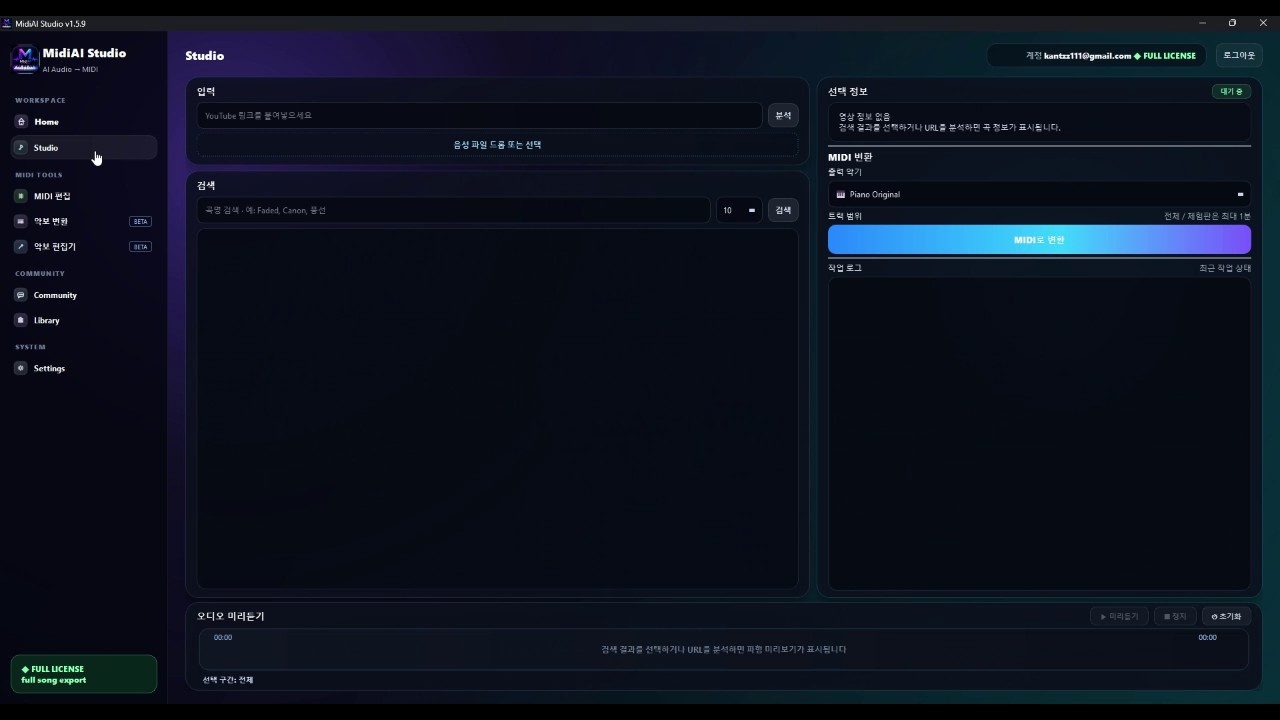
Source selection: the decision that outweighs the rest
Best-practice audio-to-MIDI is a disciplined approach to transcription that maximizes accuracy through source quality, instrument isolation, and targeted correction. It treats the tool as one link in a chain rather than a black box expected to fix a bad input.
The approach is defined by front-loading quality: investing effort where it compounds ? in the source and the isolation ? rather than spending it downstream cleaning up avoidable errors. Good inputs make good outputs cheap.
Isolating one instrument before you transcribe
Source quality dominates because transcription can only recover detail that exists in the audio. A lossless, clean, exposed recording gives the engine sharp onsets and unmasked pitches, so the very first decision ? which file to use ? sets a ceiling that no later effort can raise. This is why serious transcribers are picky about sources.
Instrument isolation is the second great lever, because overlapping sounds mask one another. When you separate a single instrument before transcribing, MidiAI Studio applies its full attention to one clear line instead of trying to untangle a mix, and the accuracy difference is often larger than any parameter tweak.
Cleanup, done in the right order, multiplies the gains from the first two. Fixing structural issues before individual notes, and pruning obvious artifacts before refining real ones, means each correction stands on stable ground and you never redo work ? the same principle of building coarse to fine that governs all good editing.
Recording your own audio with transcription in mind
Two transcribers, one song, very different results
Imagine two people transcribing the same funk bassline in G Dorian at 104 BPM. The first grabs a 128 kbps rip of the full mix and transcribes it whole; the second finds a lossless copy, isolates the bass, and only then converts.
The first ends up with a fragmentary line full of ghost notes from the drums and guitar, spending an hour patching holes. The second gets a nearly complete bass part from MidiAI Studio in minutes, needing only to nudge a couple of ambiguous timing points.
Same tool, same song, opposite experiences ? and the difference was entirely in the choices made before conversion. The second transcriber did not work harder; they worked earlier, where the leverage was.
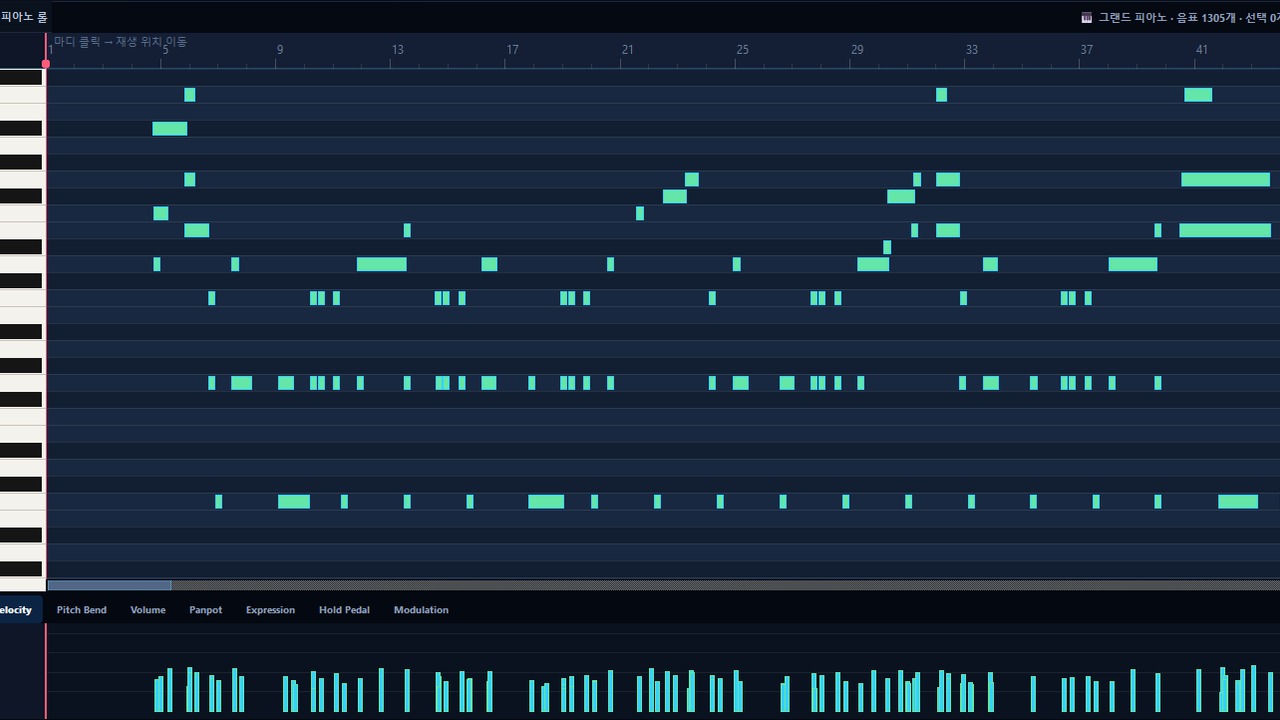
Choosing the right rhythmic reference for timing
- Choose the best source you can find. Prefer lossless, clean, and exposed audio over convenient but compromised files. This first decision caps your possible accuracy, so spend real effort finding a good source.
- Isolate the target instrument. Separate the part you want from the mix before transcribing. Handing the engine one clear line instead of an overlapping mix is often the biggest single accuracy gain.
- Give the engine a timing reference. Match tempo tracking to the material ? steady grid for metronomic playing, flexible for rubato. Correct timing assumptions keep notes in their right places.
- Transcribe exposed sections first. Do the clear passages before the dense ones. Getting the easy material perfect gives you a reliable backbone against which to judge the harder spots.
- Clean up coarse to fine. Fix structure, then prune artifacts, then refine real notes and expression. Ordering cleanup this way means every correction rests on settled ground.
Transcribing exposed passages before dense ones
- Spend your effort on the source, where it compounds, not on rescuing a bad input.
- Isolate before transcribing whenever the target shares the mix with other instruments.
- Match tempo tracking to whether the performance is metronomic or expressive.
- Verify the clean passages first to build a reference for the hard ones.
- Stop editing when returns go flat; know when good enough is genuinely enough.
A cleanup order that saves time
- Optimizing cleanup over source: No amount of editing recovers detail a poor source never held; fix the input first.
- Transcribing the whole mix: Overlap masks notes; isolating the target is usually a bigger win than any setting.
- Mismatched tempo assumptions: Forcing a grid on rubato or vice versa misplaces notes throughout.
- Cleaning notes before structure: Fixing details under a wrong key or meter wastes effort you will redo.
- Chasing diminishing returns: Endless polishing past good enough burns time better spent on the next piece.
Verifying by ear, not just by eye
The overarching lesson of transcription is that leverage lives upstream. Every hour is not equal: an hour spent finding a lossless source or isolating an instrument can save several hours of downstream patching, because it prevents errors rather than repairing them. Internalizing where the leverage sits is what separates fast, clean workflows from slow, frustrating ones.
Isolation deserves special emphasis because it is the most underused lever. People will hunt for a better bitrate but transcribe a full mix without a second thought, when separating the target instrument would help more than the bitrate ever could. Feeding MidiAI Studio one clean line is the closest thing to a universal accuracy boost.
Knowing when a result is as good as it will get
There is craft in cleanup order that pays off invisibly. By fixing the things everything else depends on first, you ensure that no correction is wasted on material you later change. It is the same coarse-to-fine discipline that governs editing anywhere, and it turns cleanup from a frustrating game of whack-a-mole into a steady, converging process.
Finally, wisdom in transcription includes knowing when to stop. A transcription is a tool for a purpose, and once it serves that purpose ? accurate enough to study, arrange, or perform ? further polishing is a trap. The best transcribers are decisive about good enough, which is exactly what frees them to transcribe more and better over time.
FAQ
Straight answers for musicians researching audio to MIDI accuracy checklist. Expand any question?answers stay on this page so you do not bounce away mid-read.
What single change most improves audio-to-MIDI accuracy?
Choosing a better source. Because transcription can only recover what the audio contains, a clean, lossless, exposed recording raises your ceiling more than any setting or cleanup effort can.
Should I always isolate an instrument before transcribing it?
Whenever it shares the mix with others, yes. Overlapping instruments mask each other, so isolating the target lets the engine focus on one clear line and usually improves accuracy dramatically.
How do I decide between steady-tempo and flexible-tempo transcription?
Match it to the performance. Use a steady grid for metronomic playing and flexible tracking for expressive rubato, since the wrong assumption misplaces notes across the whole piece.
In what order should I clean up a transcription?
Coarse to fine: fix structure like key and meter first, then remove obvious artifacts, then refine real notes and expression. Each stage then rests on settled ground and nothing gets redone.
How do I know when to stop editing a transcription?
When further corrections yield diminishing musical returns. Once the part is accurate and expressive enough for its purpose, additional polishing is usually time better spent elsewhere.