 MidiAI Studio
Guide �� MIDI editing craft
Quantizing Converted MIDI the Musical Way
Quantization is one of the most powerful and most misused tools in MIDI editing. Applied wisely, it rescues a loose transcription and tightens sloppy timing; applied bluntly, it flattens the very feel that made a performance human. Knowing the difference is what separates helpful quantization from destructive.
The core tension is that timing carries meaning. Some timing looseness in a conversion is error worth fixing, and some is expressive feel worth keeping, so the skill is telling them apart and applying only as much correction as the music actually needs.
This guide covers quantizing converted MIDI intelligently ? choosing the right grid, using partial strength, and preserving groove ? so a MidiAI Studio conversion ends up tight where it should be tight and loose where looseness is the point.
What quantization does and what it costs
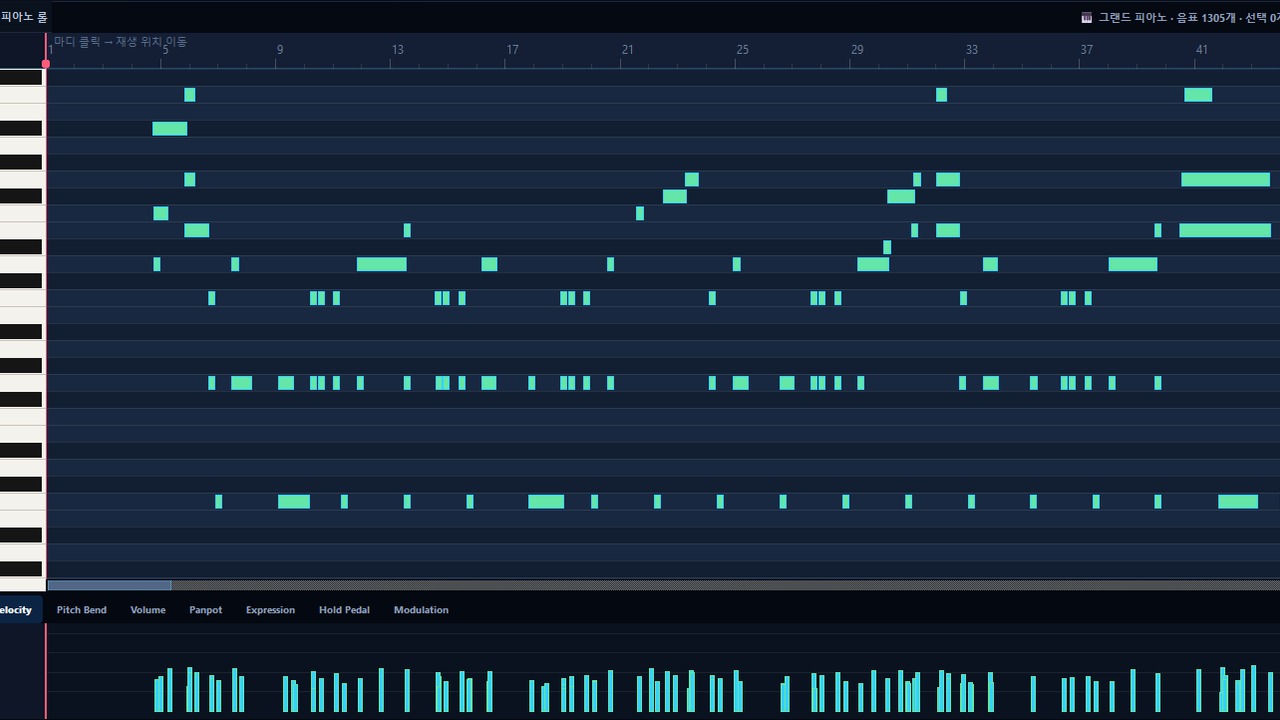
Quantization is the process of moving MIDI note timings toward a rhythmic grid to correct or tighten their placement. It ranges from full quantization, which snaps notes exactly to the grid, to partial quantization, which nudges them part of the way while preserving some original feel.
Its defining trade-off is precision versus humanity: perfect grid alignment sounds tight but can sound mechanical, so intelligent quantization is about choosing how much to correct rather than always correcting fully.
Choosing a grid that matches the music
Quantization works by snapping each note's timing toward the nearest division of a chosen grid ? eighths, sixteenths, triplets ? so choosing a grid that matches the music's actual subdivisions is the first and most important decision. A grid too coarse erases real rhythms, while one too fine fails to correct the errors you meant to fix.
Strength controls how far notes move toward the grid, and partial quantization is the key to musical results. Instead of snapping notes exactly, MidiAI Studio can move them a percentage of the way, tightening obvious sloppiness while retaining the small human deviations that give timing its feel. This is almost always better than full quantization for expressive material.
Note starts and note lengths can be quantized separately, and they serve different purposes. Aligning onsets fixes rhythmic placement, while quantizing durations can clean up ragged note lengths, but the two are distinct decisions ? you often want to tighten starts while leaving durations expressive. Groove templates go further, imposing a specific swing or feel rather than a straight grid.
Quantization strength and partial quantization
Tightening a converted drum loop without ironing out the groove
Suppose you converted a live drum loop at 100 BPM that grooves nicely but has a few hits noticeably off the beat from the transcription. Full quantization would fix the stray hits but also flatten the loop's natural push and pull into a rigid pattern.
Instead you choose a sixteenth-note grid to match the loop's subdivisions and apply partial quantization at moderate strength, pulling the stray hits most of the way to the grid while leaving the overall groove's micro-timing intact. You quantize onsets but leave the durations alone.
The result tightens the obvious errors without ironing out the feel ? the loop still breathes, but the distracting off-beat hits are corrected. Comparing it to the original confirms you kept the groove while removing the mistakes, which is exactly what intelligent quantization achieves.
When converted timing needs tightening
- Choose a grid matching the subdivisions. Pick the rhythmic value the music actually uses as your grid. The right grid corrects errors without erasing genuine rhythms, so this choice governs everything that follows.
- Diagnose which timing is error versus feel. Before quantizing, decide which looseness is transcription error and which is expressive. This distinction determines whether and how much to correct.
- Use partial strength for expressive material. Apply quantization at less than full strength to tighten sloppiness while keeping human deviation. Partial quantization is the default for anything with feel.
- Quantize starts and lengths separately. Decide independently whether to align onsets, durations, or both. Often you tighten starts while leaving durations expressive, so treat them as separate choices.
- Compare against the original feel. Audition the quantized version against the unquantized one to confirm you fixed errors without losing groove. If it sounds stiffer, reduce the strength.
When you should leave timing alone
- Match the grid to the music's real subdivisions, not a default.
- Separate error from expressive feel before applying any correction.
- Prefer partial quantization for anything with groove.
- Quantize onsets and durations as independent decisions.
- Always compare the result against the original timing.
Groove templates and swing quantization
- Full-quantizing expressive material: Snapping everything exactly to the grid flattens the human feel you wanted to keep.
- Choosing the wrong grid: A mismatched grid either erases real rhythms or fails to fix the actual errors.
- Quantizing feel as if it were error: Correcting expressive looseness removes the groove rather than the mistakes.
- Ignoring the start-versus-length distinction: Blindly quantizing durations can clip notes you meant to leave expressive.
- Not comparing to the original: Without an A/B check you cannot tell whether you tightened or stiffened the part.
Quantizing note starts versus note lengths
Quantization is a superb lesson in the principle that not all deviation is error. The instinct to make everything perfectly aligned comes from thinking of timing as something to be corrected, but expressive music is full of intentional imperfection, and a tool that removes all of it removes the music with it. Learning to quantize well is really learning to respect the difference between a mistake and a choice.
The grid decision carries more weight than its simplicity suggests, because it encodes an interpretation of what the rhythm is. Choosing a triplet grid versus a straight one is a claim about the music's underlying subdivision, and getting it wrong fights the material at every note. MidiAI Studio gives you grid control precisely because only a musician can make that interpretive call.
Checking the result against the original feel
Partial quantization is the single most useful concept for anyone editing converted MIDI, because it dissolves the false choice between sloppy and mechanical. Timing does not have to be either fully human or fully gridded; it can be tightened by degrees, and the right degree for a given passage is a judgment that produces far more musical results than either extreme.
The habit of comparing against the original is what keeps quantization honest. It is easy to lose track of the feel you started with once you begin editing, and an A/B comparison anchors you to whether each change actually helped. The best quantization is often the least ? just enough to fix what was wrong, and no more, leaving the performance's soul intact.
FAQ
Straight answers for musicians researching quantize AI MIDI timing. Expand any question?answers stay on this page so you do not bounce away mid-read.
Does quantizing converted MIDI always improve it?
No ? it helps when timing is genuinely sloppy but harms when it flattens expressive feel. The value of quantization depends entirely on choosing the right grid and strength for the material, not on applying it universally.
How do I pick the right quantization grid?
Match it to the rhythmic subdivisions the music actually uses, such as sixteenths or triplets. A grid too coarse erases real rhythms, while one too fine fails to correct the timing errors you meant to fix.
What is partial quantization and when should I use it?
Partial quantization moves notes only part of the way to the grid, tightening obvious sloppiness while keeping some human deviation. Use it for any expressive material where full snapping would sound mechanical.
Should I quantize note durations as well as note starts?
Not always ? they are separate decisions. Aligning onsets fixes rhythmic placement, but durations are often best left expressive, so quantize lengths only when ragged durations are actually a problem.
How do I know if I over-quantized a part?
Compare it against the unquantized original; if it sounds stiffer or has lost its groove, you went too far. Reducing the strength restores feel while still correcting the genuine timing errors.