 MidiAI Studio
Guide �� MIDI editing craft
Adding Real Expression to Converted MIDI
Velocity is the most important MIDI property that beginners ignore, and it is the difference between music and a metronomic readout of notes. It encodes how hard each note was struck, which our ears interpret as emphasis, emotion, and phrasing ? the very things that make a performance feel human.
A converted part often arrives with its dynamics either captured imperfectly or flattened, so shaping velocity and expression is where you breathe life back into it. This is not decoration; it is the layer where correct notes become actual music, and it deserves as much attention as the notes themselves.
This guide goes deep on velocity and the broader craft of expression in converted MIDI. With MidiAI Studio giving you the notes, learning to shape their dynamics and feel is what turns a technically-right part into one that moves people.
What velocity is and why it carries emotion
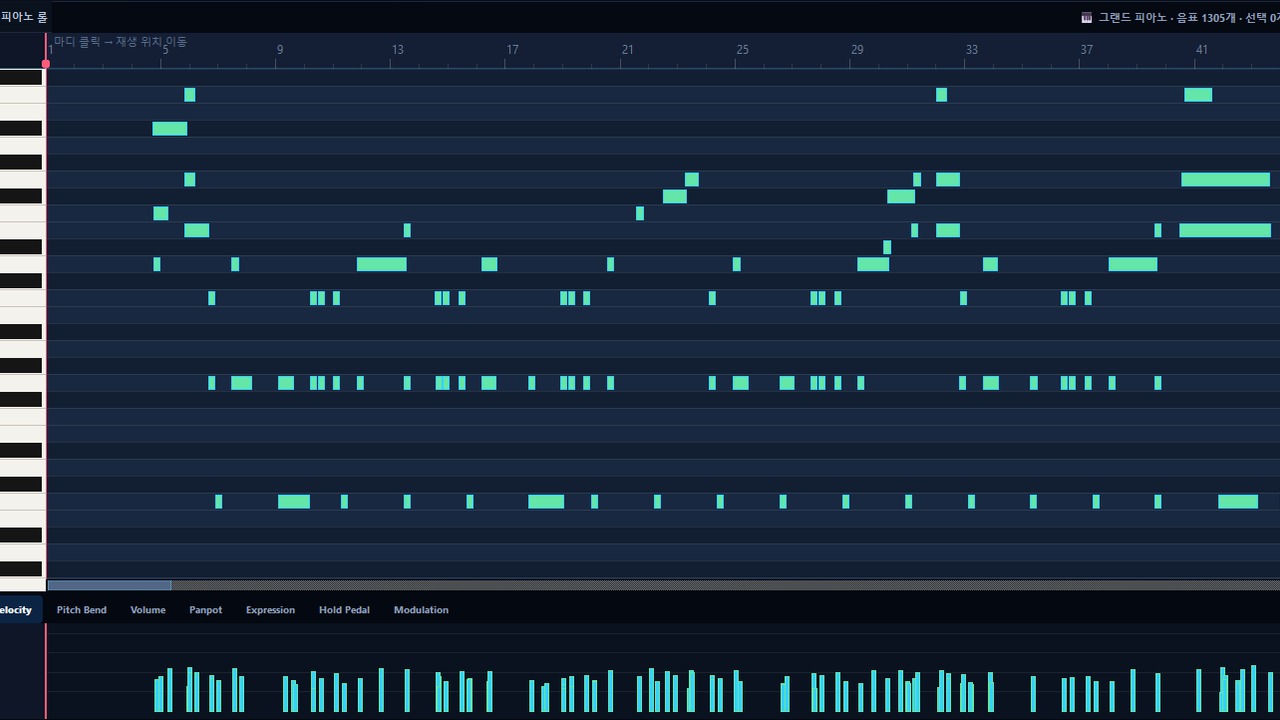
In MIDI, velocity is a value representing how forcefully each note is played, most audibly affecting loudness but often also timbre. Expression is the broader shaping of a performance through velocity, timing nuance, and articulation to convey musical intent.
Together they constitute the performance dimension of MIDI ? the part that is not about which notes but about how they are played ? and they are what distinguish a lifeless sequence from a convincing interpretation.
Reading the dynamics a conversion captured
Velocity works because our perception ties loudness to importance: a louder note reads as accented or emphasized, and a series of graded velocities reads as a phrase rising and falling. On many instruments velocity also changes timbre ? a hard-struck piano note is brighter, not just louder ? so shaping velocity shapes tone as well as volume, which is why MidiAI Studio preserving captured velocity matters so much.
Musical phrasing has a natural dynamic shape, typically rising toward a peak and relaxing away from it, and velocity is how you draw that shape in MIDI. Accents on strong beats, gentle stresses that convey meter, and the overall arc of a line are all velocity decisions, and applying them thoughtfully is what makes a phrase feel intended rather than typed.
Expression extends beyond velocity into timing and articulation. Tiny timing deviations ? a note placed fractionally early or late ? convey feel, while articulation choices like staccato and legato shape the space between notes, and continuous controllers can add swells and fades on instruments that sustain. The art is combining these so the result feels alive without tipping into overwrought, unnatural programming.
Shaping phrases with velocity arcs
Bringing a converted piano phrase to life
Imagine a converted piano phrase in F major ? a four-bar melody over gentle accompaniment ? that plays back correctly but flatly, every note at the same velocity. It is accurate and lifeless in equal measure.
You shape it by drawing a velocity arc that swells toward the phrase's high point in bar three and eases back, adding light accents on the downbeats to convey the meter, and softening the accompaniment beneath the melody so the tune sings above it. You place one expressive note a hair behind the beat for feel.
Suddenly the phrase breathes. The same MidiAI Studio notes now have direction and emphasis, the melody stands out from the accompaniment, and the whole thing sounds like a pianist playing rather than a sequence running. Nothing about the notes changed ? only their expression.
Accents, stresses, and metrical feel
- Assess the captured dynamics first. Look at what velocity the conversion already captured before changing anything. Building on real captured dynamics is better than overwriting them with generic shapes.
- Draw velocity arcs for phrases. Shape each phrase with a rise toward its peak and a relaxation away from it. This natural dynamic contour is what gives a line direction and musical sense.
- Add accents for meter and emphasis. Place stronger velocities on structurally important beats and notes. Accents convey the pulse and highlight the notes that carry the phrase's meaning.
- Balance layers by velocity. Lower the velocity of accompaniment relative to melody so the tune sings above it. Dynamic balance between parts is as important as the shape within them.
- Add subtle timing and articulation. Introduce small timing nuances and articulation choices to deepen the feel. These refinements, used sparingly, complete the sense of a real performance.
Expression beyond velocity: timing and articulation
- Preserve and build on captured velocity rather than flattening and restarting.
- Give every phrase a deliberate dynamic arc.
- Use accents to make meter and emphasis audible.
- Balance melody above accompaniment through velocity.
- Apply timing and articulation nuance sparingly for feel, not excess.
Instrument-appropriate dynamic behavior
- Leaving velocities uniform: Flat dynamics are the surest way to make correct notes sound mechanical.
- Overwriting captured dynamics: Replacing real captured velocity with generic shapes discards genuine performance information.
- Ignoring layer balance: Equal velocities across melody and accompaniment bury the tune in its own backing.
- Neglecting phrase shape: Notes without a dynamic arc lack direction and sound like a list rather than a line.
- Over-programming expression: Excessive, exaggerated nuance sounds as artificial as no nuance at all.
Continuous controllers for swells and fades
Velocity rewards attention because it is where MIDI stops being a spreadsheet of notes and starts being a performance. The notes answer what; velocity answers how, and how is where music lives. A musician who masters velocity shaping can make even a simple converted line compelling, while one who ignores it will make even a brilliant transcription sound dead.
It helps to understand that expression is fundamentally about relationships, not absolutes. No single velocity value is expressive; expression emerges from the contrast between notes ? this one louder than that, this phrase swelling past the last. This is why shaping is a matter of drawing curves and balances rather than setting numbers, and why MidiAI Studio's captured dynamics are a starting relationship worth preserving.
Avoiding the uncanny valley of over-programming
The multi-dimensional nature of expression is what gives it depth. Velocity, micro-timing, and articulation each contribute a facet of feel, and their interplay is what our ears recognize as a human at the controls. Learning to reach for the right facet ? a timing nuance here, an accent there ? rather than leaning on velocity alone is what elevates good expression to convincing performance.
The caution against over-programming is really a lesson about naturalness. Human performance has a characteristic amount of variation ? enough to feel alive, not so much as to feel erratic ? and both too little and too much read as artificial. The skilled ear aims for that natural middle, and developing it is a lifelong refinement that makes every converted part you touch sound more like music.
FAQ
Straight answers for musicians researching MIDI velocity expression editing. Expand any question?answers stay on this page so you do not bounce away mid-read.
What exactly is velocity in a MIDI file?
It is a value for how forcefully each note is played, which most audibly controls loudness and often affects timbre too. Our ears read graded velocities as emphasis and phrasing, which is why it carries so much of a performance's emotion.
Why does shaping velocity matter more than getting louder or softer overall?
Because relative velocity between notes creates phrasing, accents, and balance, which convey musical meaning that a uniform volume change cannot. A phrase's rise and fall lives in those relationships, not in overall level.
How do I make a melody stand out from its accompaniment in MIDI?
Lower the accompaniment's velocity relative to the melody so the tune sings above it. Dynamic balance between layers is what lets a listener follow the melody clearly.
Is expression in MIDI only about velocity?
No ? velocity is central, but timing nuance and articulation matter too. Small early or late placements convey feel, and staccato or legato choices shape the space between notes, all contributing to a convincing performance.
Can I add too much expression to a MIDI part?
Yes. Exaggerated or excessive nuance sounds as artificial as none at all, tipping into an uncanny, over-programmed feel. The goal is natural shaping that serves the music, applied with restraint.