 MidiAI Studio
Guide �� MusicXML & score interchange
MusicXML vs MIDI: Choosing the Right Format
MusicXML and MIDI are constantly confused because both come out of the same conversion tools and both represent music as data. But they answer different questions, and choosing the wrong one means fighting your format for the rest of a project. Getting the distinction right up front saves real frustration.
The confusion is understandable ? a beginner sees two export buttons and reasonably assumes they are variations on a theme. In fact they are almost complementary: each stores what the other largely ignores, and knowing which stores what turns the choice from a coin flip into an obvious decision.
This comparison lays them side by side without jargon, so that the next time MidiAI Studio offers you both, you know instantly which one your task actually calls for. The deciding factor is simpler than you might expect.
The one question that decides which format you need
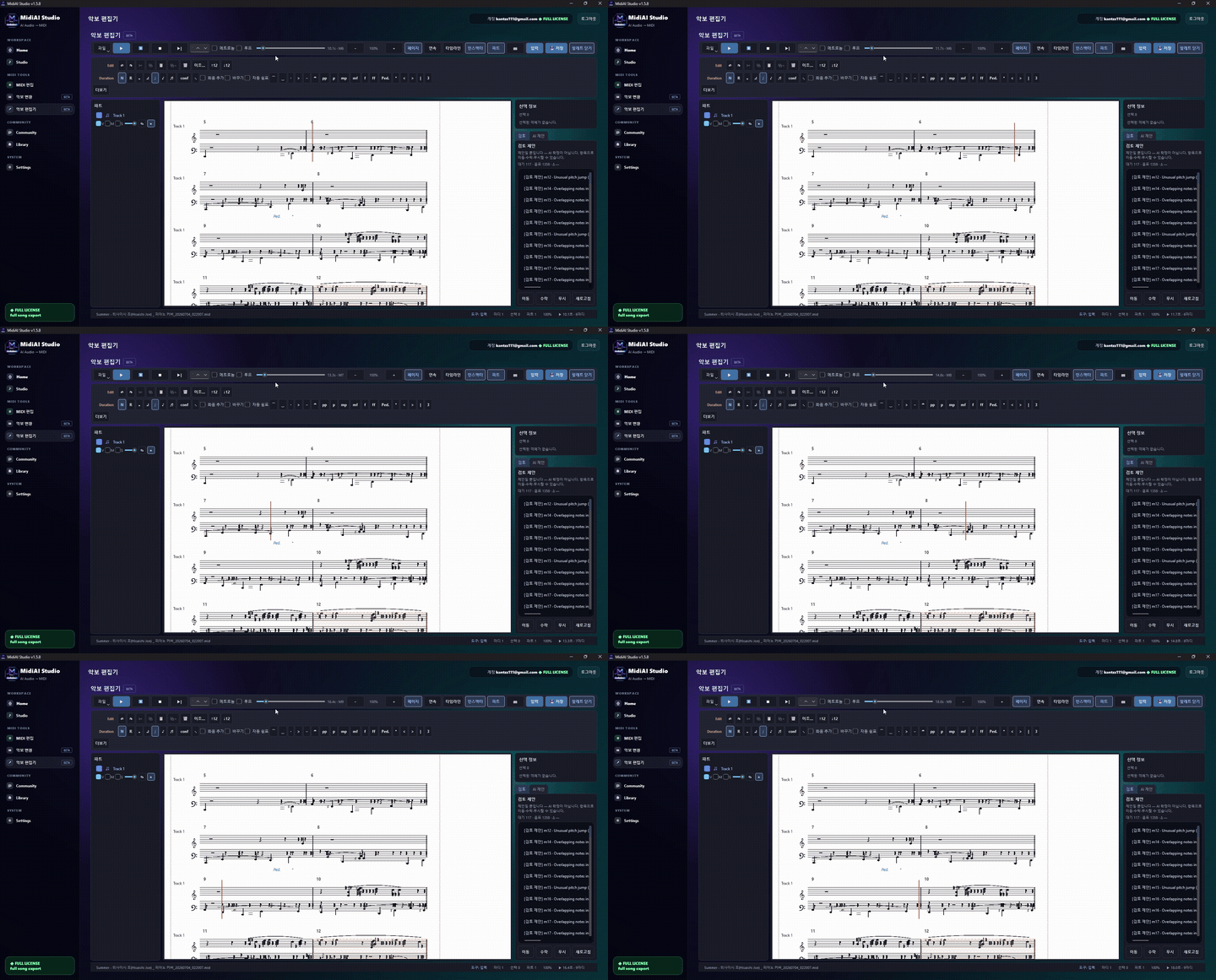
MIDI is a performance format: it stores which notes sound, when, how long, and how hard, as a stream of timed events. It knows nothing about how the music is written on a page ? no clefs, no beaming, no distinction between a G-sharp and an A-flat.
MusicXML is a notation format: it stores the written score, including pitches spelled correctly, rhythms, beaming, lyrics, and articulations. It captures how music looks on the page, but it is not a performance stream the way MIDI is.
What MIDI stores and deliberately ignores
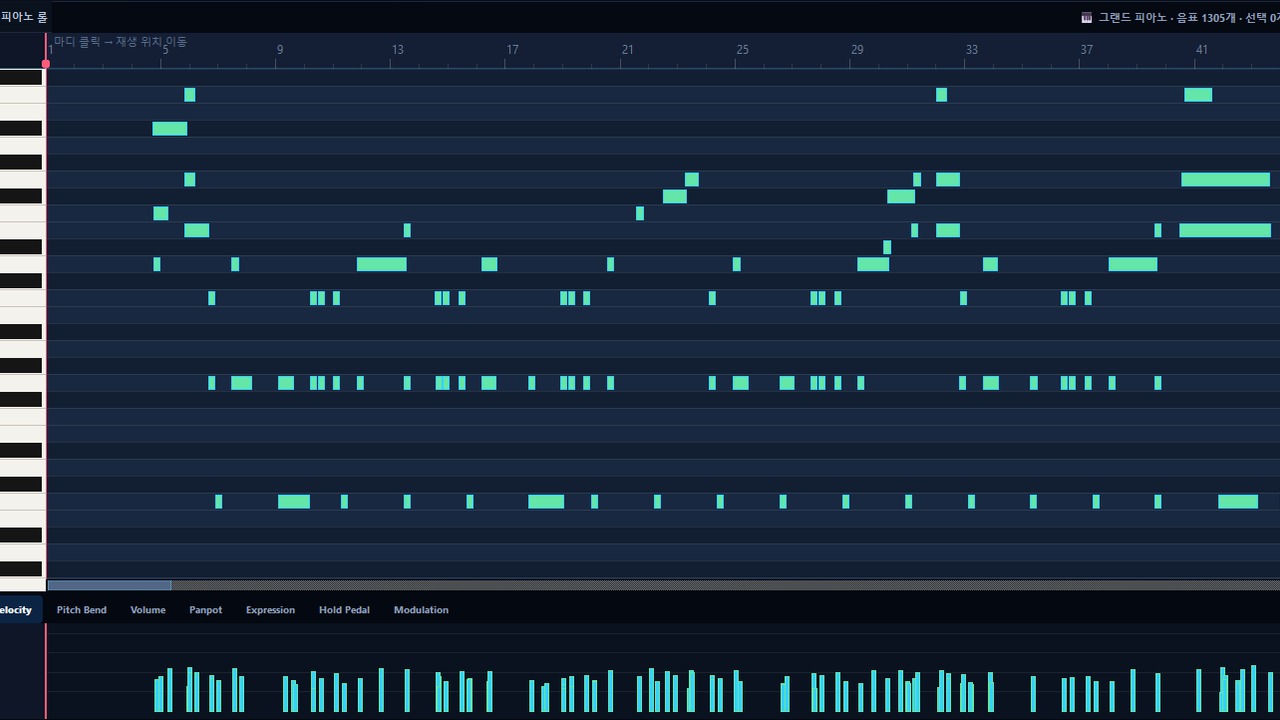
The deciding question is whether you care about the sound or the page. If your endpoint is playback, editing a performance, or feeding a DAW, MIDI is the natural fit because it stores exactly that ? timed, expressive events. Its blindness to notation is a feature, keeping it lean and universally playable.
If your endpoint is printed music ? publishing, extracting parts, transposing on the page ? MusicXML is the fit, because it preserves the written detail MIDI throws away. It knows a note is spelled as an E-flat, that two notes are beamed, that a syllable sits beneath a pitch, which is exactly what notation software needs to draw a readable score.
MidiAI Studio can export either, and the right call follows directly from that one question. Trying to publish clean sheet music from a MIDI file means reconstructing everything MIDI discarded; trying to drive a synthesizer from MusicXML means ignoring most of what it carries. Matching format to purpose avoids both mismatches.
What MusicXML stores that MIDI cannot
Same song, two different jobs, two different formats
Suppose you have transcribed a folk tune in D major and you have two separate tasks: first, to loop it into a backing track in your DAW, and second, to publish a clean lead sheet with chords and lyrics for a songbook.
For the DAW task you export MIDI, drop it onto a track, and immediately loop, transpose, and assign it to a synth ? the performance data is all you need. For the songbook you export MusicXML, open it in a notation program, and the chords, lyrics, and correct note spellings are all there to engrave.
Same transcription, two formats, two smooth workflows. Had you tried to publish from the MIDI or sequence from the MusicXML, each task would have fought you the whole way. The formats were not interchangeable; they were job-specific.
Playback and editing: MIDI's home turf
- Ask whether you want the sound or the page. Decide up front whether your endpoint is playback and performance, or printed and re-engraved notation. This single question determines the correct format for almost every task.
- Choose MIDI for performance workflows. Export MIDI when you will play back, edit expression, loop, or feed a DAW. Its timed-event model is exactly what those tasks consume.
- Choose MusicXML for notation workflows. Export MusicXML when you will publish, extract parts, or transpose on the page. Its preservation of written detail is what notation software needs.
- Convert only when the job genuinely changes. Move between formats when your purpose shifts, accepting that each conversion loses what the target format cannot hold. Convert for a reason, not by default.
- Keep both if a project spans both worlds. For projects that need playback and printing, maintain a MIDI and a MusicXML export. Keeping both avoids repeatedly reconstructing lost detail.
Notation and printing: MusicXML's home turf
- Let the sound-versus-page question drive every format choice.
- Reach for MIDI by default for DAW and playback work.
- Reach for MusicXML by default for anything printed or re-engraved.
- Expect detail loss whenever you convert from one to the other.
- Maintain both exports for projects that live in both worlds.
File size, portability, and tooling differences
- Publishing sheet music from MIDI: MIDI lacks spelling and beaming, so notation from it needs heavy reconstruction.
- Sequencing from MusicXML: Driving a synth from a notation format ignores most of what it carries and adds friction.
- Assuming the two are interchangeable: They store different things, so swapping them mid-task guarantees fighting the format.
- Converting back and forth casually: Each round trip loses detail the target cannot hold; convert only with purpose.
- Keeping only one for a dual-purpose project: Projects that need both sound and page suffer when you must rebuild the missing format repeatedly.
Converting between the two and what leaks out
The most freeing realization is that MusicXML and MIDI are not competitors to be ranked but tools to be matched. Asking which is better is like asking whether a hammer beats a screwdriver; the honest answer is that it depends entirely on what you are building. Once you stop ranking them, choosing becomes effortless.
Their complementarity runs deep. MIDI is lean precisely because it ignores the page, which makes it fast, tiny, and playable anywhere; MusicXML is rich precisely because it captures the page, which makes it larger and notation-focused. Each format's strength is the other's deliberate omission, and that is by design, not deficiency.
A decision guide for common musician tasks
Conversion between them is where beginners get burned, because it feels lossless and is not. Every time you cross the divide, the target format silently drops or invents detail ? spelling lost going to MIDI, structure guessed going to MusicXML. Understanding this keeps you from casually round-tripping a file into gradual degradation.
The mature approach treats the two as a pair to be kept, not a choice to be regretted. When MidiAI Studio can hand you both, a project that spans performance and publication is best served by keeping a MIDI for the DAW and a MusicXML for the page. Holding both is cheaper than repeatedly rebuilding whichever one you threw away.
FAQ
Straight answers for musicians researching MusicXML vs MIDI differences. Expand any question?answers stay on this page so you do not bounce away mid-read.
What is the simplest rule for choosing between MusicXML and MIDI?
Ask whether you care about the sound or the page. Sound, playback, and DAW work call for MIDI; printed notation, parts, and publishing call for MusicXML. That one question settles most decisions.
Why can't I just publish sheet music directly from a MIDI file?
Because MIDI does not store notation details like correct spelling, beaming, or lyrics. Notation software would have to reconstruct all of that, which is why MusicXML is the better source for printing.
What does MIDI store that MusicXML does not emphasize?
MIDI stores performance nuance as timed events ? exact timing, note velocity, and expression ? in a lean, universally playable stream. MusicXML focuses on the written page rather than a performance stream.
Do I lose information converting MusicXML to MIDI or back?
Yes, in both directions. Going to MIDI drops notation detail like spelling and beaming; going to MusicXML must infer written structure MIDI never stored. Convert only when your purpose genuinely changes.
Should I ever keep both a MIDI and a MusicXML of the same piece?
For projects that need both playback and printing, yes. Keeping both exports means you never have to reconstruct the detail one format discards when your task shifts between sound and page.