 MidiAI Studio
Guide �� DAW integration
Working With Converted MIDI in Your DAW
A converted MIDI file is not a finished track; it is raw material that a DAW turns into production. The gap between a transcription sitting in a file and a polished piece of music playing through your speakers is a workflow ? a sensible sequence of importing, organizing, sounding, editing, and mixing that keeps the process smooth.
Most people import a converted file and then improvise, which works until a project grows complex and the improvisation turns into chaos. A deliberate workflow scales, keeping a two-track sketch and a forty-track arrangement equally manageable by settling organizational decisions early.
This guide lays out a DAW-agnostic workflow for developing MidiAI Studio conversions into finished tracks. The specific menus differ between Ableton, Logic, FL Studio, and the rest, but the sequence and the thinking transfer to any of them.
Preparing your project before you import
A DAW workflow for converted MIDI is a repeatable process for taking transcribed note data through import, organization, instrumentation, editing, arrangement, and mixing to a finished production. It treats the conversion as a starting point within a larger creative pipeline.
Its defining characteristic is organization discipline: settling naming, routing, and structure early so that creative work later is not bogged down by untangling a disorganized project.
Importing and organizing converted tracks
The workflow front-loads organization because disorganization compounds. Naming tracks, setting the project tempo to match the conversion, and grouping related parts at import time costs minutes, while skipping it costs hours later when a forty-track project is a maze of unnamed instruments. This is the DAW equivalent of the coarse-to-fine principle.
Instrumentation is where converted MIDI transforms from data into sound, since MIDI carries no sound of its own ? it needs an instrument assigned to each track. Choosing sounds that suit each part, and that sit well together, is a creative decision the conversion enables, and MidiAI Studio's per-track output makes it straightforward to voice each line independently.
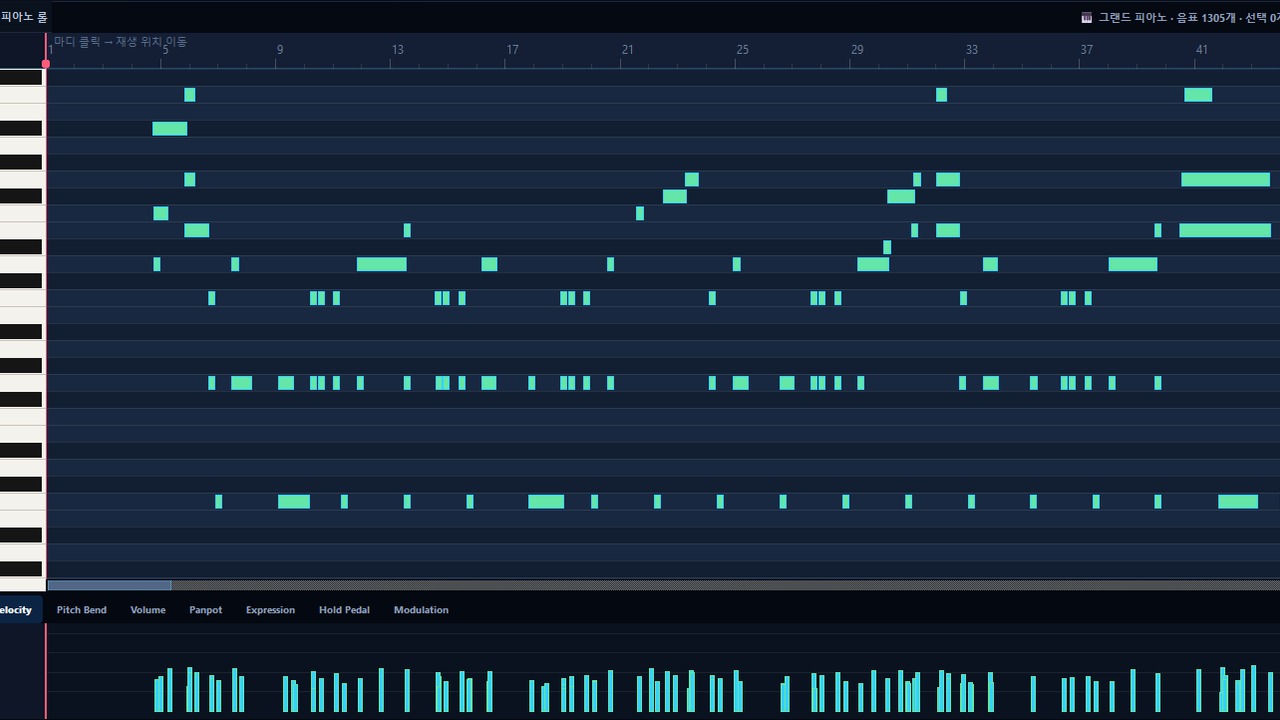
Editing and arranging then happen in context, which is different from editing a file in isolation. Hearing a converted part against the other tracks reveals what needs tightening, layering, or rebalancing, so DAW-context editing is more musical than editing in a vacuum. Mixing converted MIDI alongside any recorded audio, and finally rendering and archiving, complete the pipeline from transcription to deliverable.
Assigning instruments and sounds to parts
Building a full arrangement from a converted piano demo
Imagine you converted a solo piano demo in G major at 110 BPM and want to develop it into a full band arrangement. The conversion gives you the piano part; the DAW turns it into a track.
Following the workflow, you set the project to 110 BPM, import the piano MIDI, and name and color the track. You assign a warm piano instrument, then build around it ? copying the chord track to a pad for depth, adding a bass line derived from the left hand, and programming drums to match the feel. You keep everything organized in named groups.
Editing in context, you notice the piano needs to duck slightly under the new bass, so you rebalance velocities. After mixing the parts together and rendering, you archive the project with the original MidiAI Studio conversion kept alongside. A solo demo became a full arrangement through a clean, scalable process.
Editing converted MIDI in the DAW context
- Set up the project to match the conversion. Set the project tempo and time signature to match the converted file before importing. Aligning these first ensures the MIDI lands correctly on the grid and stays in sync.
- Import and organize immediately. Name, color, and group the imported tracks right away. A few minutes of organization at import prevents a disorganized maze as the project grows.
- Assign instruments to each part. Give every converted track a suitable instrument sound, since MIDI carries none. Independent per-track voicing is where the conversion becomes music.
- Edit and arrange in context. Refine, layer, and rebalance parts while hearing them together. Editing in the mix reveals musical needs that editing a file in isolation would miss.
- Mix, render, and archive. Balance the parts, render the finished track, and archive the project with the original conversion. Keeping the source lets you revisit or re-develop later.
Layering, doubling, and arranging
- Match project tempo and meter to the conversion before importing.
- Name, color, and group tracks the moment they land.
- Voice each converted part with a deliberately chosen instrument.
- Do refinement editing in the full mix context, not in isolation.
- Archive projects with the original MIDI conversion included.
Tempo, timing, and sync considerations
- Importing without setting tempo: A mismatched project tempo lands the MIDI off the grid and out of sync.
- Skipping organization at import: Unnamed, ungrouped tracks turn a growing project into an unmanageable maze.
- Leaving parts on default sounds: Un-voiced MIDI never becomes music; every track needs a chosen instrument.
- Editing parts in isolation: Refining without hearing the mix misses balance and layering needs.
- Not archiving the source: Discarding the original conversion forfeits the ability to re-develop later.
Mixing converted parts alongside audio
The workflow mindset matters more in a DAW than almost anywhere else, because a DAW imposes no structure of its own. It will happily let you build a chaotic project, and the cost of that freedom is that discipline must come from you. A converted file dropped into an organized project becomes music quickly; the same file dropped into chaos becomes a source of friction.
Instrumentation is the conceptual heart of what a DAW adds to a conversion, and it is worth dwelling on. MIDI's silence is a feature ? it separates the notes from the sound, so the same converted part can become a piano, a synth, or a string section at your discretion. This separation is exactly what makes MidiAI Studio output so flexible, and the DAW is where that flexibility is realized.
Rendering and archiving your project
Editing in context reflects a deeper truth that music is relational. A part that sounds perfect alone may be wrong in the mix, too loud or too busy or clashing with another line, and only by hearing everything together can you make the decisions that matter. The DAW workflow puts editing where it belongs ? in the full musical picture rather than in isolation.
Archiving with the source closes a loop that too many producers leave open. A rendered track is a snapshot, but the project with its original conversion is a living document you can return to, re-voice, and re-imagine. Keeping that provenance turns each project into a reusable asset rather than a dead end, which over time is how a body of work compounds.
FAQ
Straight answers for musicians researching import converted MIDI to DAW. Expand any question?answers stay on this page so you do not bounce away mid-read.
What is the first thing to do when importing converted MIDI into a DAW?
Set the project tempo and time signature to match the converted file. Aligning these before import ensures the MIDI lands correctly on the grid and stays in sync with everything else you add.
Why does my imported MIDI have no sound?
Because MIDI carries note data, not audio, so each track needs an instrument assigned to produce sound. Loading a suitable instrument onto every converted track is what turns the data into something you can hear.
Is it better to edit converted MIDI in isolation or in the full mix?
In the full mix, generally. Hearing a part against the other tracks reveals what needs tightening, layering, or rebalancing, so DAW-context editing produces more musical results than editing a file alone.
How do I keep a large project with many converted tracks manageable?
Organize at import ? name, color, and group every track as it lands. Front-loading this discipline keeps even a forty-track arrangement navigable, whereas skipping it creates a maze that slows all later work.
Should I keep the original converted MIDI after building a project?
Yes, archive it with the project. Keeping the source conversion lets you revisit decisions, re-voice parts, or re-develop the material later without having to reconvert from scratch.