 MidiAI Studio
Guide �� Other instruments
Extracting Drum MIDI From a Recording
Drum transcription is the odd one out, because drums are mostly pitchless ? the game is not what note but which drum and exactly when. This flips the usual transcription problem on its head: pitch detection barely matters, while timing precision and timbre classification become everything.
That different emphasis makes drum extraction its own discipline with its own techniques. Instead of resolving harmonies, you are classifying percussive hits by their sound and pinning down their timing to capture the groove, which is where a beat's whole feel lives.
This guide covers how drum MIDI extraction works and how to get a beat you can actually reprogram, from a live recording or a loop. With MidiAI Studio, turning an audio drum performance into editable, remixable MIDI opens up a beat's every element for reshaping.
Why drum transcription ignores pitch entirely
Drum MIDI extraction is the transcription of percussion audio into MIDI hits, identifying which drum or cymbal was struck and precisely when, along with how hard. Because drums are largely unpitched, it substitutes timbre classification and onset timing for the pitch detection central to melodic transcription.
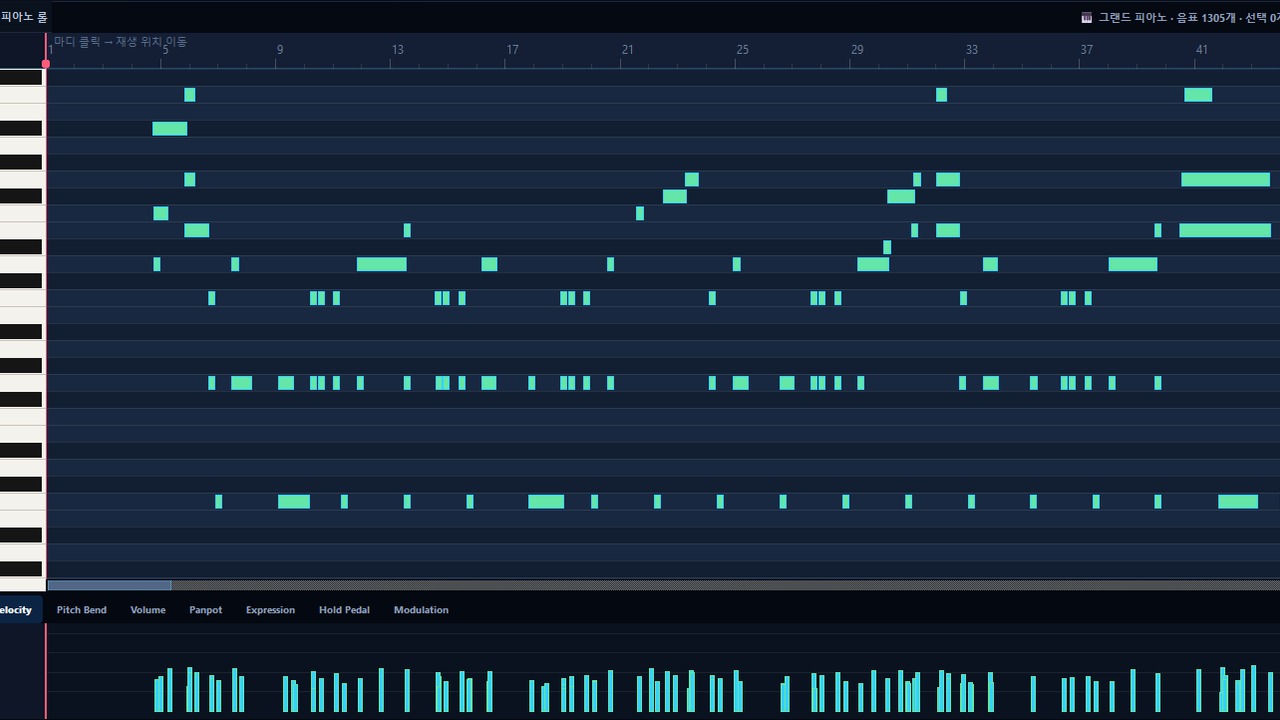
The output maps each detected hit to a corresponding drum sound and preserves the timing and velocity that give a groove its feel, producing a programmable beat rather than a melody.
Classifying kick, snare, hats, and toms by timbre
Since most drums produce noise-based rather than pitched sounds, the engine classifies each hit by its timbre ? the bright transient of a snare, the low thud of a kick, the metallic shimmer of a hi-hat ? instead of asking what pitch it is. MidiAI Studio matches each onset's spectral signature to a drum category, which is the core of turning a wash of percussion into labeled hits.
Onset detection carries even more weight here than in melodic transcription, because a drum part is essentially a pattern of precisely-timed impacts. Capturing exactly when each hit lands ? down to the micro-timing that distinguishes a stiff beat from a grooving one ? is what makes the extracted MIDI feel like the original rather than a mechanical approximation.
Velocity and ghost notes complete the picture. The dynamic difference between a backbeat snare and the quiet ghost notes around it is central to a groove's feel, so preserving velocity is essential. Cymbals complicate matters with long, overlapping decay that can obscure hits struck during the wash, which is the main source of drum-extraction ambiguity.
Onset detection as the heart of drum extraction
Extracting a funk break to reprogram the kit
Picture a funk drum break at 98 BPM with a syncopated kick pattern, a snare backbeat surrounded by quiet ghost notes, tight hi-hats, and the occasional open hat. The groove lives in the micro-timing and the ghost-note dynamics.
MidiAI Studio classifies the kick, snare, and hi-hat hits, and ? crucially ? captures the ghost notes at their low velocities and the slight timing looseness that gives the break its swing. The open hi-hats are caught, though their wash slightly obscures one hat hit that you confirm by ear.
Now the beat is fully programmable. You can swap the kit for a different sound, tighten or loosen the timing, and boost the ghost notes, all while keeping the original feel as your reference. The extraction turned a fixed break into raw material for a new groove.
Capturing groove, swing, and micro-timing
- Use an isolated or clean drum source. Prefer a solo drum recording or a well-separated drum stem. Other instruments bleeding in confuse timbre classification, so the cleaner the drums, the better the extraction.
- Prioritize timing accuracy. Focus on capturing precise onsets, since a drum part is fundamentally a timing pattern. The micro-timing is what carries the groove, so protect it above all.
- Preserve velocity and ghost notes. Keep the dynamic range, especially the quiet ghost notes around the backbeat. Flattening velocity strips a groove of the feel that makes it live.
- Verify hits hidden under cymbal wash. Check for hits obscured by long cymbal decay and confirm them by ear. Overlapping wash is the main place drum extraction loses hits.
- Map and remix the extracted beat. Assign the hits to a drum kit and reshape freely ? swap sounds, adjust timing, rebalance dynamics. Extraction's payoff is a beat you can fully reprogram.
Velocity, ghost notes, and dynamic feel
- Feed the engine isolated drums for reliable timbre classification.
- Treat onset timing as the top priority in any drum extraction.
- Retain ghost notes and velocity to keep the groove alive.
- Listen for hits buried under cymbal decay and restore them.
- Exploit the programmable result to remix rather than merely copy.
Cymbal wash and overlapping decay
- Extracting drums from a full mix: Melodic instruments bleeding in confuse hit classification; isolate the drums first.
- Neglecting micro-timing: Quantizing away the timing feel turns a grooving break into a stiff pattern.
- Discarding ghost notes: Losing the quiet hits strips the backbeat of the nuance that defines the groove.
- Ignoring cymbal-masked hits: Long cymbal decay hides hits that vanish from the extraction if unverified.
- Flattening velocity: Uniform-velocity drums sound programmed and lifeless compared to the original.
Mapping extracted hits to a drum kit
Drum extraction is clarifying because it isolates a dimension that melodic transcription bundles together with pitch: pure rhythm. Stripped of harmony, the whole task becomes about when and how hard, which throws the importance of timing and dynamics into sharp relief. Working with drum MIDI teaches you to hear groove as the precise thing it is rather than a vague feel.
The timbre-classification approach is a neat inversion of the usual transcription question. Instead of asking what pitch produced this sound, the engine asks what object was struck, matching the noise-based signature of each hit to a drum. This is a genuinely different kind of listening, closer to identifying instruments than reading notes, and it is why drum extraction is its own specialty.
Using drum MIDI to rebuild and remix a beat
Micro-timing is where drum extraction earns its keep, because groove is almost entirely a timing phenomenon. The tiny deviations from the grid that make a break swing or push or lay back are exactly what a naive quantized transcription would erase, so MidiAI Studio's preservation of that timing is what separates a lifeless pattern from a beat that breathes. Respect the micro-timing and you respect the music.
The remixing potential is what makes extraction more than archival. Once a beat is programmable MIDI, its every element becomes a variable ? the kit, the timing feel, the dynamic balance ? so a single extracted break can seed countless new grooves. The extraction is not the destination but the moment a fixed recording becomes clay, and that transformation is the whole point.
FAQ
Straight answers for musicians researching extract drum MIDI from audio. Expand any question?answers stay on this page so you do not bounce away mid-read.
How is drum transcription different from melodic transcription?
Drums are mostly unpitched, so extraction classifies hits by timbre and pins down their timing rather than detecting pitch. Timing precision and sound classification replace the harmony resolution that melodic transcription centers on.
How does the engine know a hit is a kick versus a snare?
By its timbre ? the spectral signature of the sound. A kick's low thud, a snare's bright transient, and a hi-hat's metallic shimmer each match a drum category, which is how onsets become labeled hits.
Why is capturing timing so important in drum extraction?
Because a drum part is essentially a pattern of precisely-timed impacts, and the micro-timing is what gives a groove its feel. Miss the timing nuance and the beat becomes mechanical even if every hit is present.
Do ghost notes survive drum-to-MIDI extraction?
They can and should, because their low velocities are central to a groove's feel. Preserving the full dynamic range, including the quiet hits around the backbeat, keeps the extracted beat alive rather than flat.
What is the main thing that causes missed hits in drum extraction?
Cymbal wash. Long, overlapping cymbal decay can obscure hits struck during the ring, so those are the ones most worth verifying by ear and restoring if the extraction missed them.